Yellow bulldozer clearing forest with workers and cut logs surrounded by dense green trees
Ongoing Land Management

The Ultimate Property Maintenance Guide for BC Landowners

Everything Fraser Valley property owners need to know about maintaining their land year-round—from seasonal maintenance to vegetation management and fire prevention.

By The Goat Land Clearing May 2, 2026 12 min read
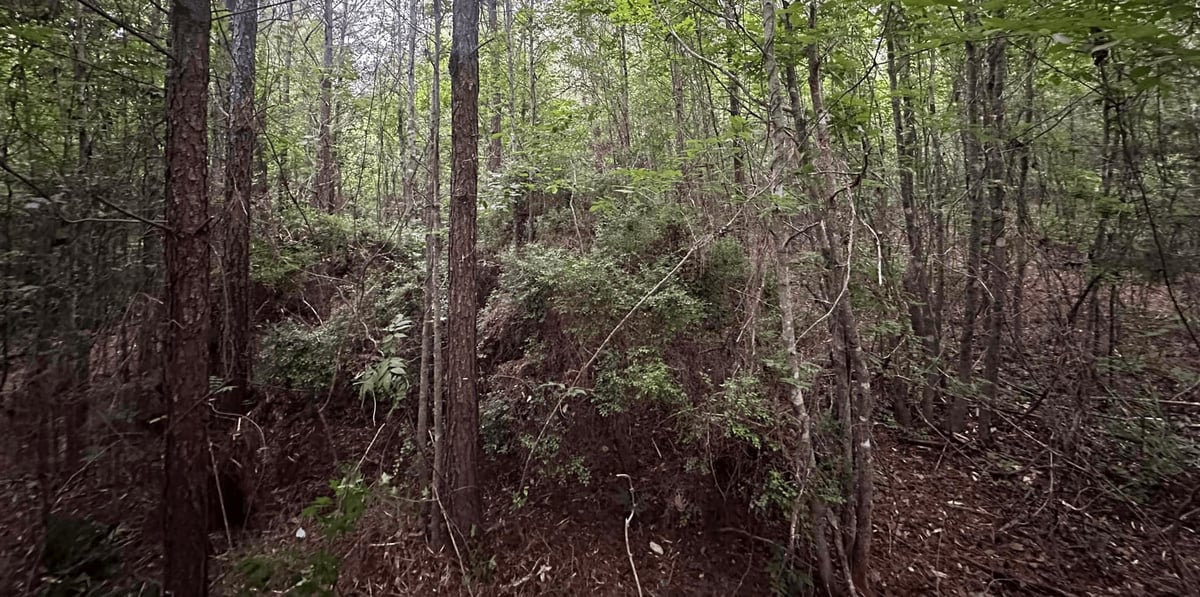
Dense forest with tall trees, brown leaf litter, and green undergrowth on forest floor

Without regular maintenance, properties in BC's Fraser Valley can quickly become overgrown

You've done it—invested in professional land clearing and reclaimed your property. The view from your back porch is clear, your yard is usable, and that forest fire risk has been dramatically reduced. But here's what many Fraser Valley property owners discover: clearing is just the beginning.

Nature doesn't take breaks. Seeds blow in, roots resprout, and what took professionals a few days to clear can start looking overgrown again within a couple of growing seasons. The solution isn't just clearing—it's ongoing vegetation management.

At The Goat Land Clearing, we've helped hundreds of BC property owners establish maintenance routines that keep their land usable and valuable year after year. This guide shares everything you need to know about property maintenance for Fraser Valley landowners.
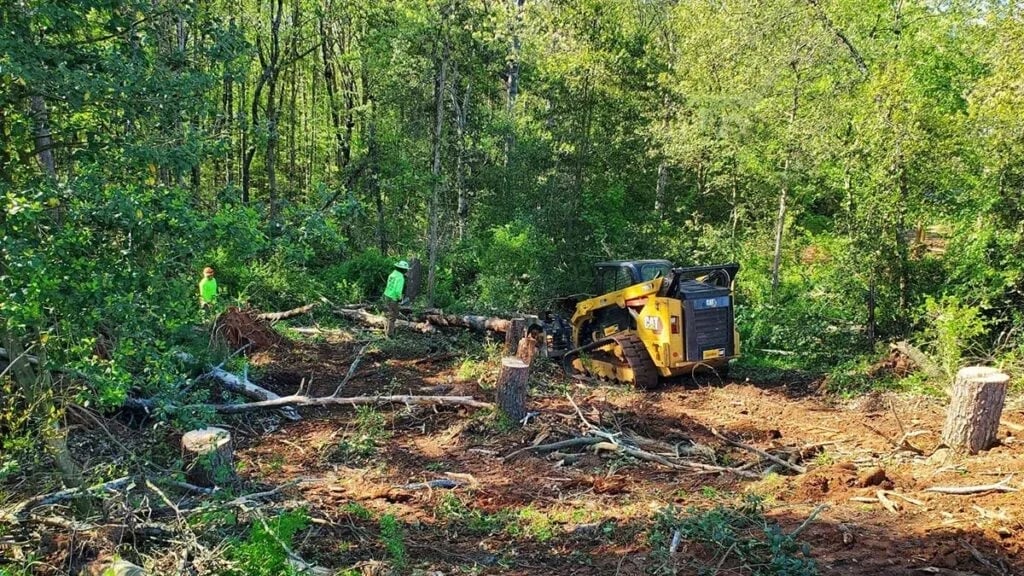
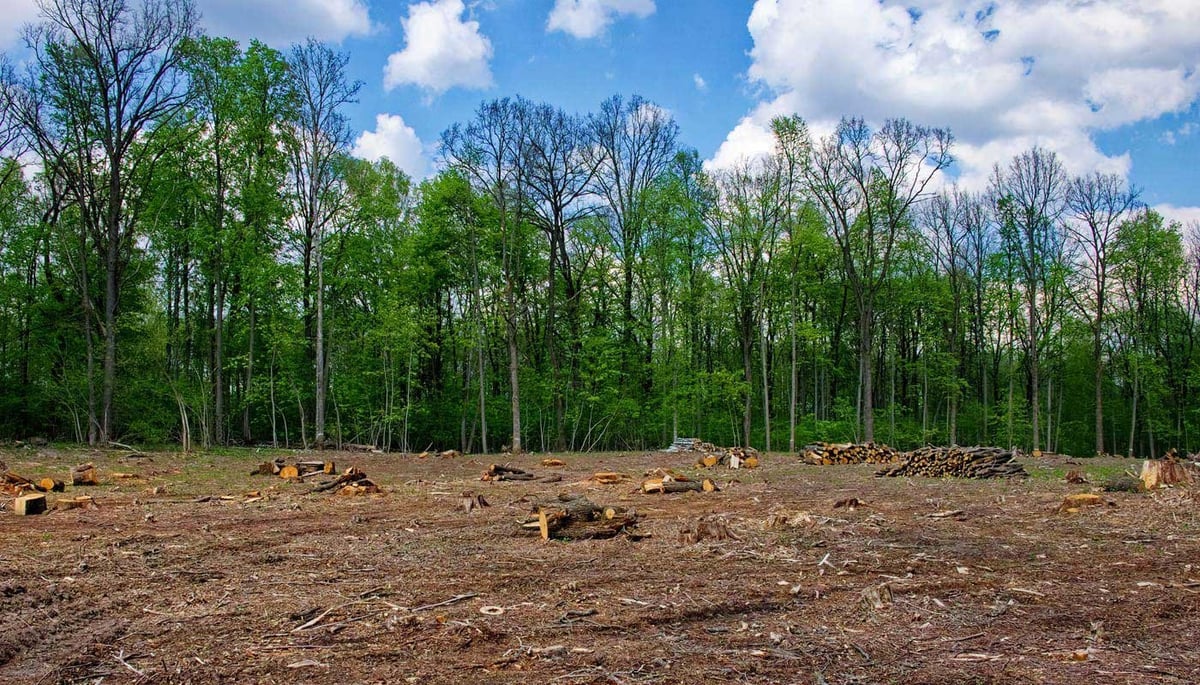
Cleared forest area with cut logs and tree stumps, green trees in background and blue sky with clouds

Seasonal Property Maintenance Schedule for BC

The Fraser Valley's mild climate allows for year-round outdoor activity, but certain tasks are best done during specific seasons. Here's your month-by-month maintenance guide:

🌸

Spring (March - May)

  • Early spring: Assess winter damage, check drainage after heavy rains
  • March-April: Pre-emergent treatment for weed control if desired
  • April-May: Annual vegetation maintenance pass—before invasive plants take hold
  • May: Fire risk assessment and fire break maintenance begins
☀️

Summer (June - August)

  • June: Primary growth season—monitor for blackberry and scotch broom regrowth
  • July-August: Peak fire season—maintain fire breaks and defensible space
  • Ongoing: Check for invasive seedlings, address before they establish
  • Late August: Assessment pass before fall rains begin
🍂

Fall (September - November)

  • September-October: Prime time for clearing—dry ground, good access
  • October: Last chance for major clearing before winter weather
  • November: Drainage check before winter rains, clear drainage ditches
  • Post-harvest: Address any invasive growth that appeared over summer
❄️

Winter (December - February)

  • Planning: Review property, plan projects for coming year
  • December-January: Frozen ground can support equipment on sensitive areas
  • February: Start scheduling spring maintenance—book early!
  • Storm damage: Watch for fallen trees or storm damage requiring attention
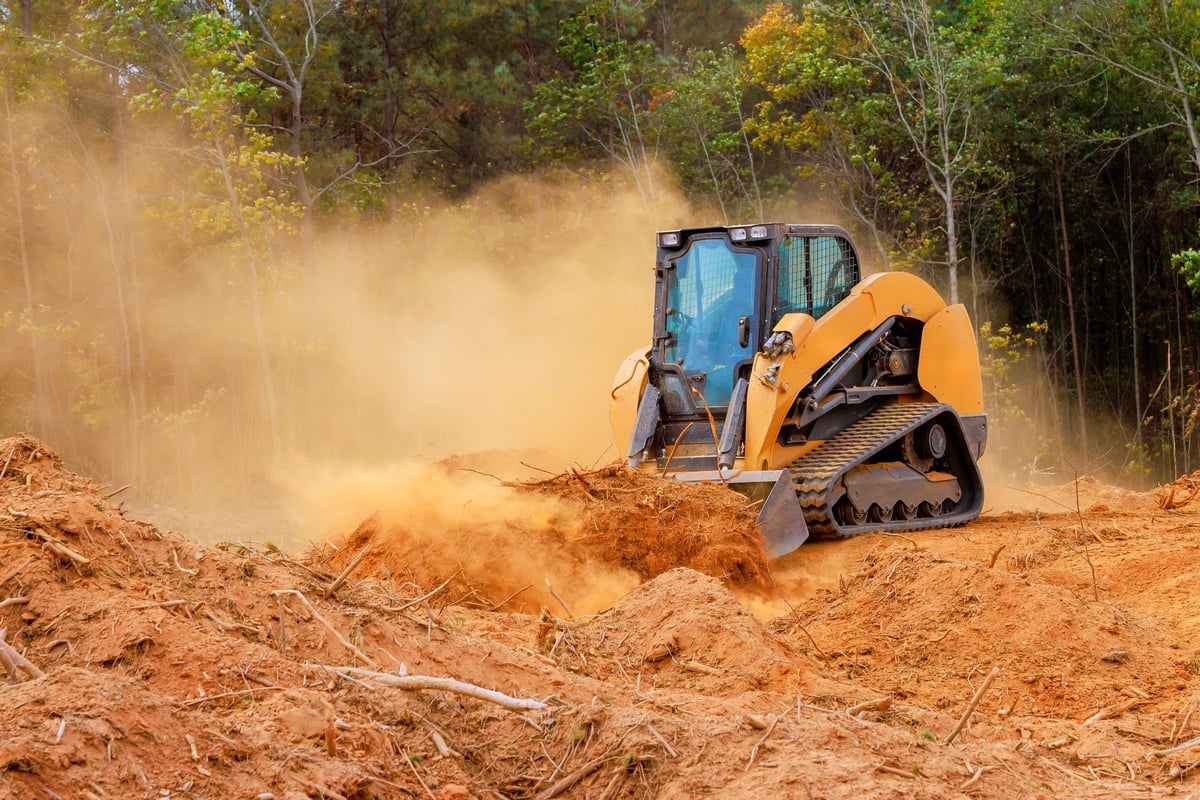
Orange and black tracked skid steer loader operating in a dusty clearing, moving earth and debris with trees in the background

Professional equipment makes quick work of regular maintenance passes

BC's Most Problematic Invasive Plants to Watch For

Prevention starts with recognition. Here are the invasive plants BC property owners most commonly battle:

🫐

Himalayan Blackberry

Arching canes with thorns, pink/white flowers in spring, black berries in summer. Spreads via bird droppings and tip rooting. Learn how to eliminate it permanently.

🌼

Scotch Broom

Bright yellow flowers, green stems (not thorny), grows 3-10 feet tall. Creates dense monocultures that prevent native regeneration. Can produce thousands of seeds per plant.

🌿

English Ivy

Glossy, heart-shaped leaves, vines that climb trees and spread along the ground. Weights down trees causing blowdowns, competes with native understory plants.

🌾

Reed Canarygrass

Grows in wet areas, can reach 6 feet tall. Forms dense monocultures in wetlands and riparian areas. Very difficult to remove once established.

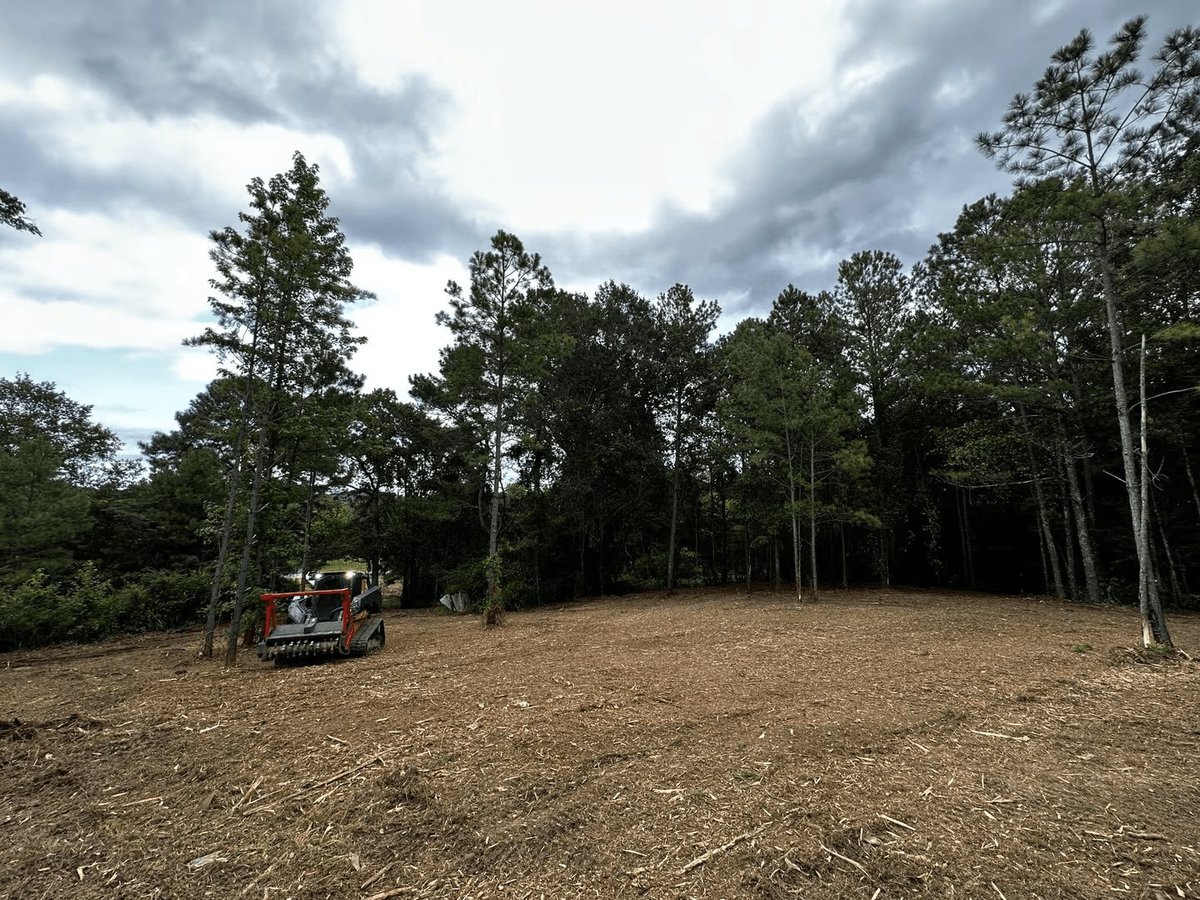
Red tractor working on cleared forest land with tall pine trees in background and overcast sky

Maintaining fire breaks is essential for rural BC properties

Fire Prevention: Essential for Rural BC Properties

With BC's increasing wildfire risk, fire prevention has become a critical part of property maintenance for rural landowners. Many insurance companies now require documented fire risk reduction activities.

Creating Defensible Space:

Zone 1: Immediate (0-30 feet from structures)

  • • No trees or tall vegetation within 15 feet of structures
  • • Grass mowed to under 4 inches
  • • Tree branches trimmed 10 feet from chimney
  • • Clear debris from under decks and eaves

Zone 2: Extended (30-100 feet)

  • • Spacing between trees to slow fire spread
  • • Remove dead vegetation and fallen branches
  • • Firewood stored away from structures
  • • Create fire breaks along property boundaries

💡 Pro Tip:

Annual vegetation maintenance isn't just about keeping your property looking good—it's about protecting your investment and your family. Many of our clients schedule their maintenance in early spring specifically to ensure their fire breaks are ready before peak fire season.

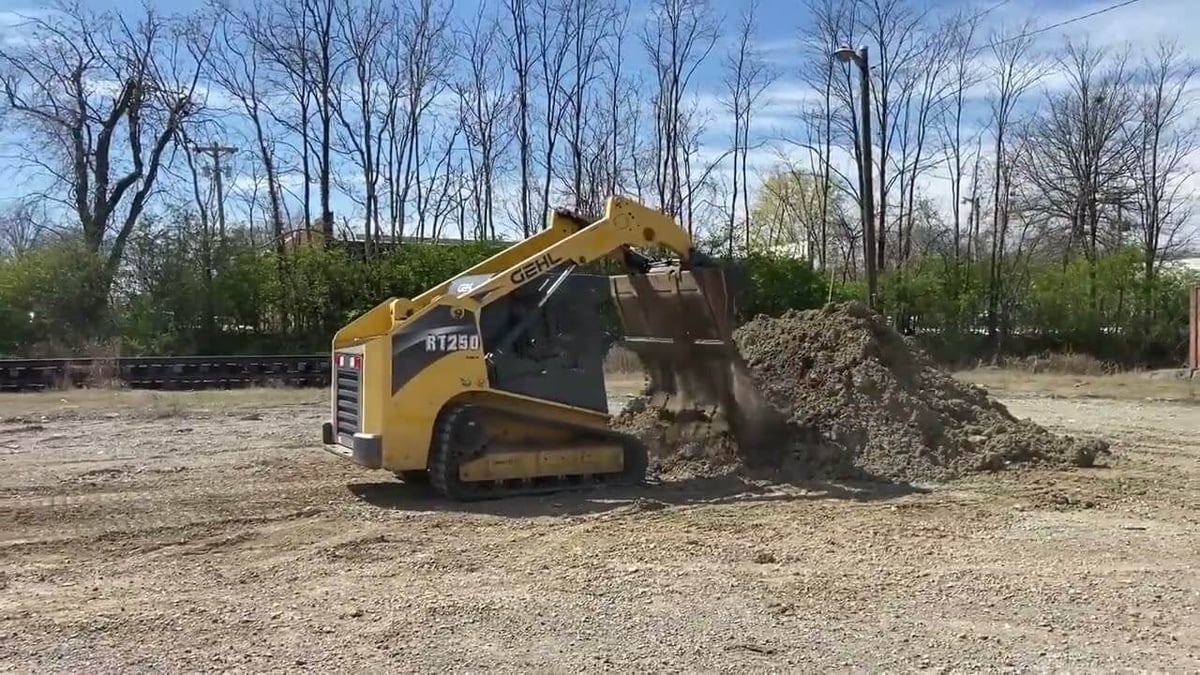
Yellow skid steer loader dumping gravel onto a pile at a construction site surrounded by bare trees

Frequently Asked Questions

How often should I schedule vegetation maintenance?

Annual maintenance is the minimum for most properties. Properties with severe invasive pressure (near untreated neighbor properties, creek corridors that seed in, etc.) may benefit from twice-yearly maintenance. We'll assess your specific situation and recommend an appropriate schedule.

Can I do maintenance myself between professional visits?

For small areas and early-stage regrowth, yes. Regular monitoring and hand-pulling new seedlings before they establish can reduce maintenance costs and slow reinvasion. However, established regrowth is best handled by professionals with proper equipment.

What's the difference between maintenance and full clearing?

Maintenance passes address vegetation that has regrown since the last visit—typically lighter work that takes less time and costs less than initial clearing. Think of it as "upkeep" rather than "reclamation." Regular maintenance keeps costs predictable and prevents the need for major clearing again.

Is there a maintenance contract option?

Yes! We offer annual maintenance agreements that lock in your rate and guarantee priority scheduling. Many clients find these contracts worthwhile because they maintain property value, prevent fire hazards, and avoid the higher costs of neglected properties.

Do you offer property management for vacant land?

Absolutely. Many investors and out-of-town property owners hire us to maintain their properties year-round. We provide regular reports and photos, handle issues as they arise, and ensure the property remains in good condition without requiring the owner's presence.

Yellow bulldozer clearing forest with workers and cut logs surrounded by dense green trees

Don't Let Your Property Regress—Start Maintenance Today

Protect your investment with regular vegetation management. Free assessments and flexible maintenance plans for Fraser Valley property owners.