Everything you need to understand about professional site leveling, grading, and land preparation for construction in British Columbia's Fraser Valley.
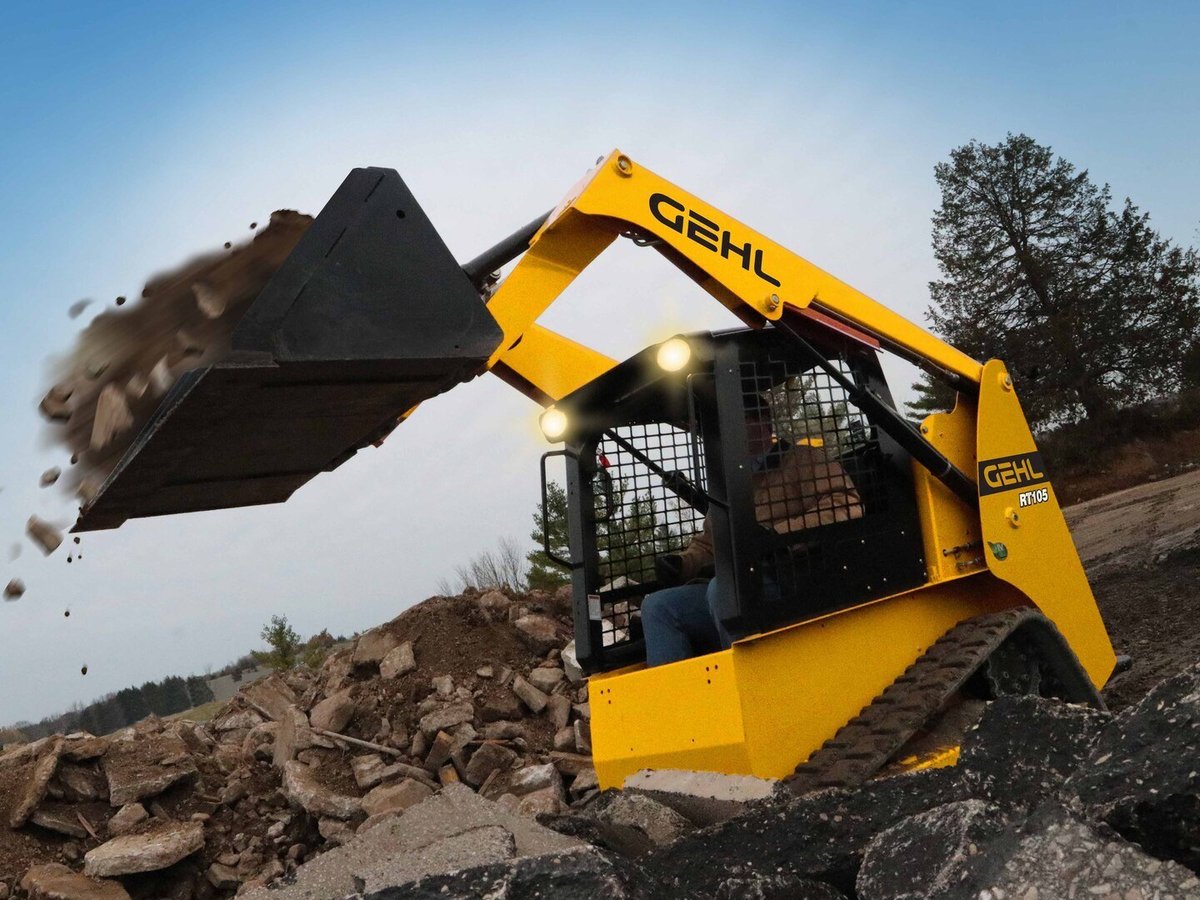
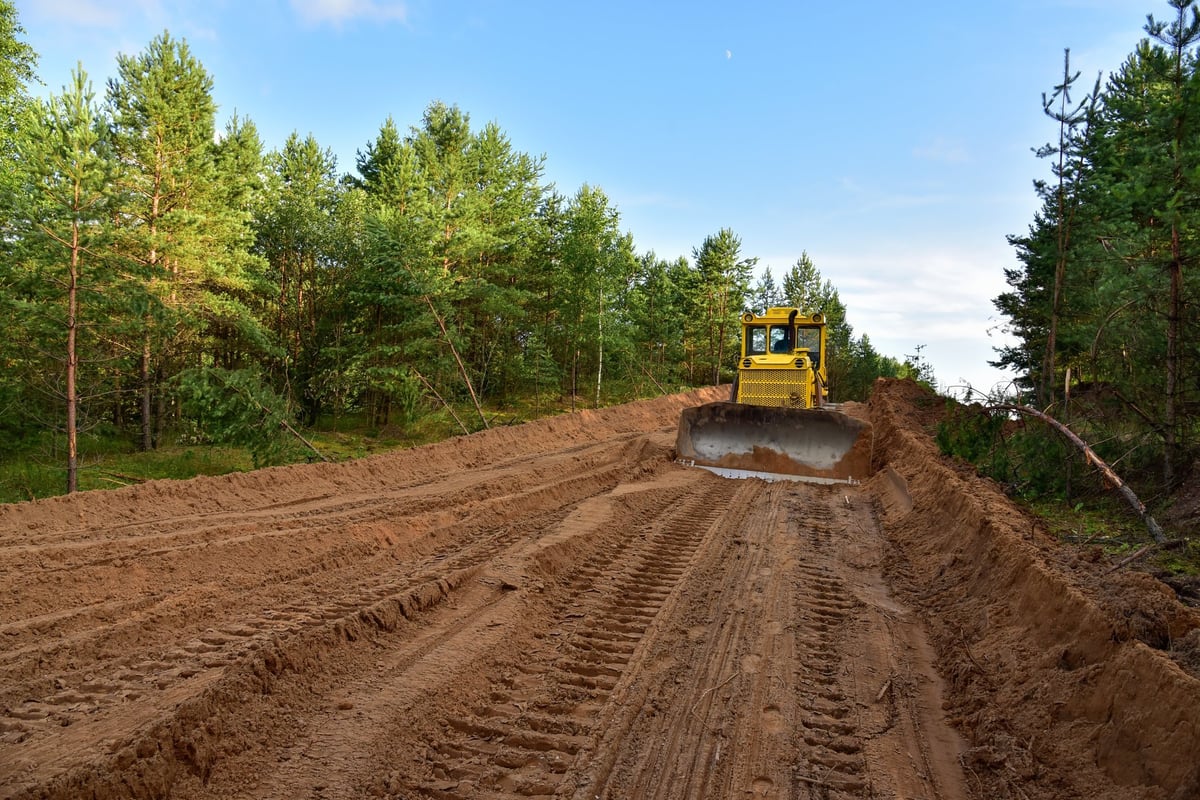
Professional site leveling equipment ready to shape your construction site
You can't build on uneven ground. It sounds simple, but site leveling and grading is one of the most critical yet frequently overlooked steps in any construction project. Get it wrong, and you'll deal with foundation problems, drainage issues, and expensive remediation for years to come.
At The Goat Land Clearing, we've prepared hundreds of sites throughout the Fraser Valley for residential and commercial construction. This guide explains everything BC property owners need to know about site leveling and grading—whether you're building a home, a shop, or preparing land for any other purpose.
Understanding site preparation before you start building saves money, prevents delays, and ensures your foundation is built on solid ground—literally.
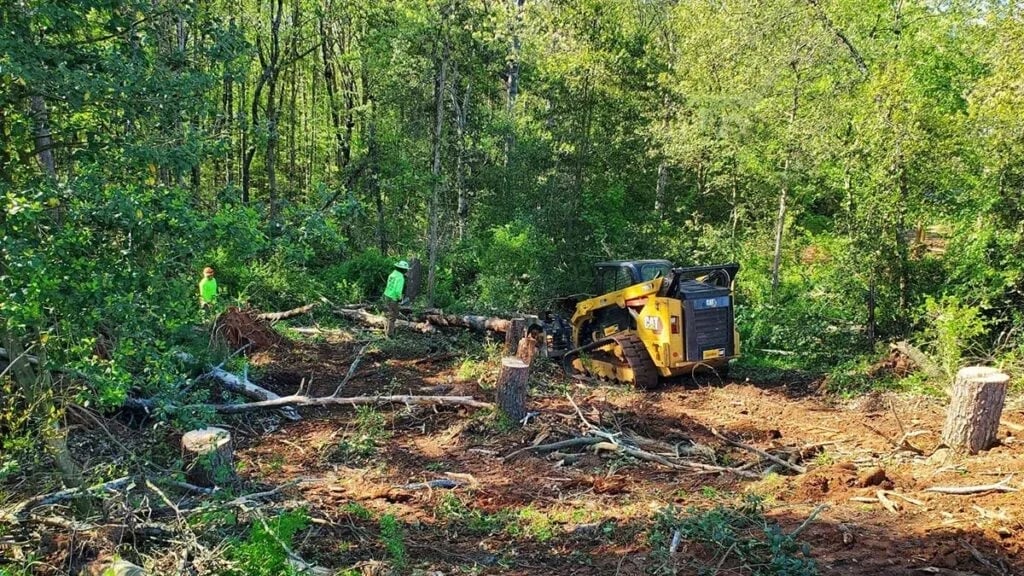
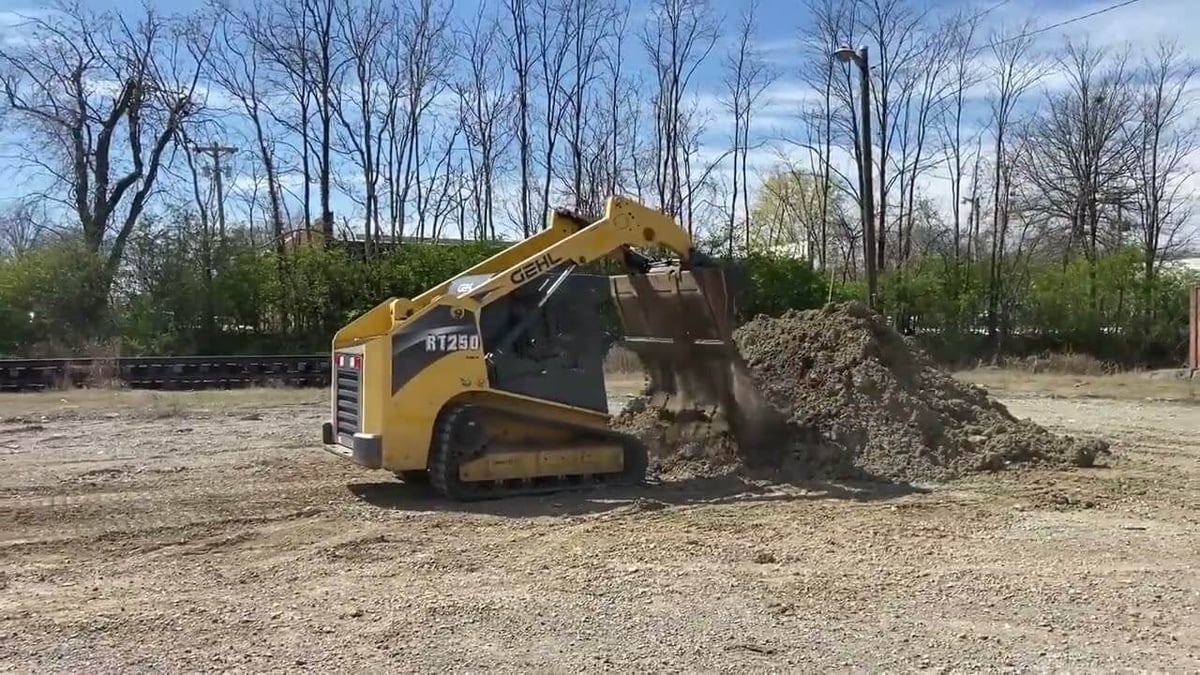
Skid steers and loaders are essential tools for site leveling and earthmoving
Site leveling (also called site grading or site preparation) is the process of reshaping the land's surface to the correct elevation and contour for construction. It involves moving soil, filling low areas, cutting high spots, and compacting the ground to create a stable, uniformly sloped surface.
Foundation Stability: Buildings require level, compacted ground. Uneven settling leads to cracked foundations and structural problems.
Proper Drainage: Grading directs water away from structures, preventing flooding, moisture damage, and foundation erosion.
Code Compliance: BC Building Code requires proper grading for code compliance and building permit approval.
Long-Term Value: Properly graded sites maintain their condition longer, protecting your construction investment.
In the Fraser Valley, where terrain varies from flat agricultural land to sloped hillside properties, proper site leveling is especially important. Properties with clay soils, high water tables, or hillside terrain require extra attention to ensure water doesn't undermine foundations.
Professional site leveling is a multi-step process. Here's what to expect when you hire professional site leveling services in BC:
Before any equipment arrives, we assess the existing terrain, identify high and low points, evaluate soil conditions, and determine optimal drainage patterns. For sloped sites, we calculate cut-and-fill requirements to minimize soil import/export.
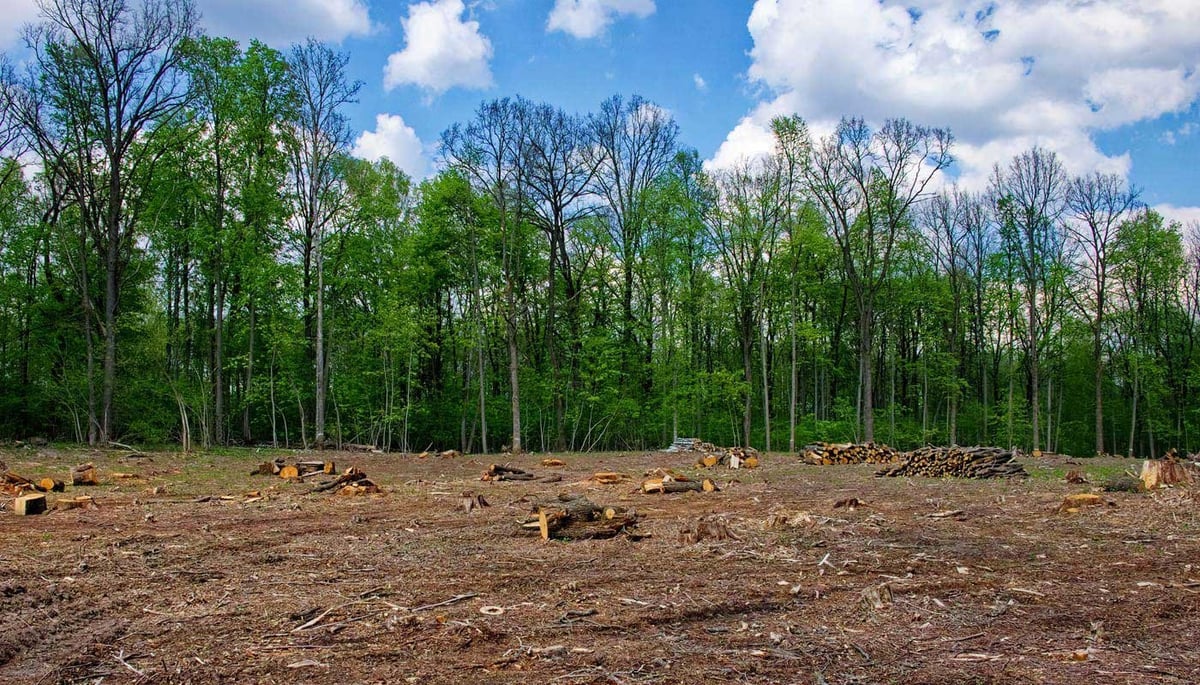
For raw land, any trees, stumps, vegetation, or debris must be removed before grading can begin. Land clearing is typically done first, followed by stump removal to ensure no organic material remains in the building zone.
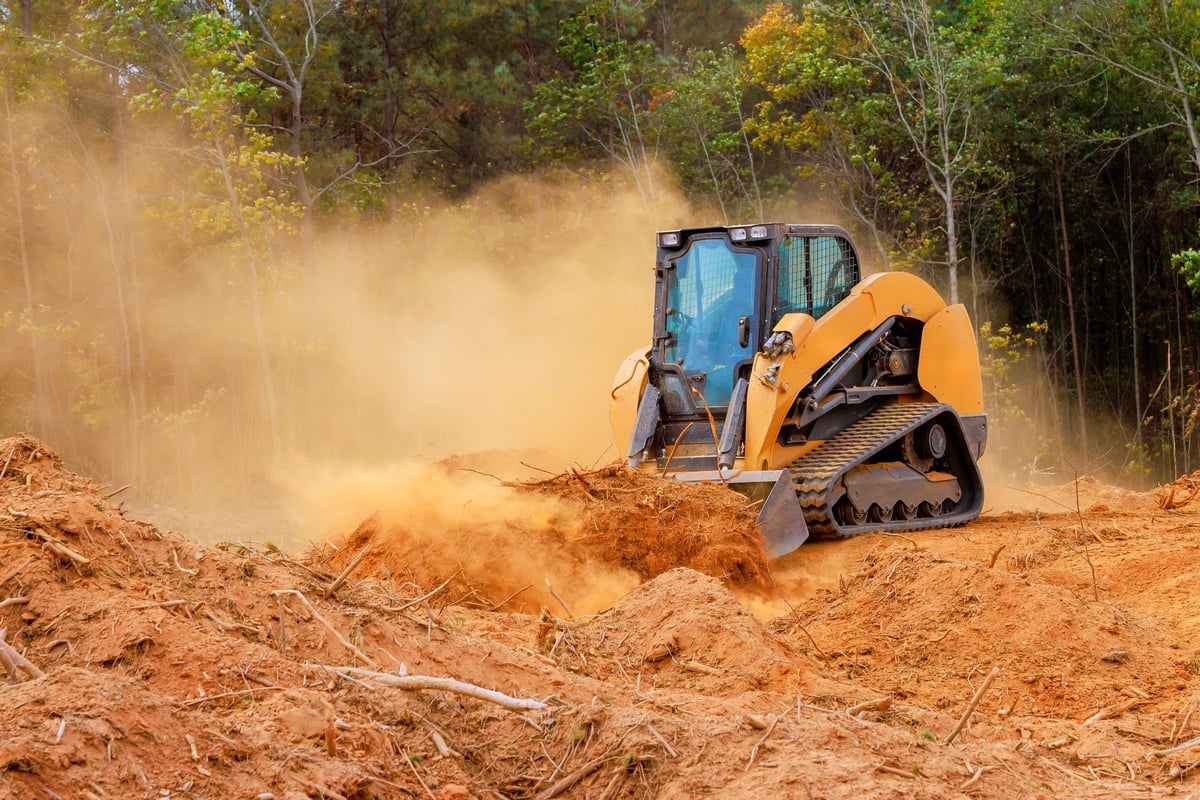
The initial grading pass establishes approximate contours. Bulldozers, graders, and skid steers move soil to create the basic slope and elevation, addressing major high and low spots. At this stage, the site roughly resembles the final grade.
The subgrade is the native soil beneath where your foundation will sit. We remove any soft or organic material, address compaction issues, and ensure the subgrade is stable. In BC's Fraser Valley, this step is especially important in areas with clay soils that may expand and contract.
The final pass creates precise contours and elevations per your site plan. Soil is compacted to specification (often requiring compaction testing by an engineer). This creates a stable, uniformly supportive surface for your foundation.
Proper drainage is arguably the most important outcome of site grading. Water is the #1 cause of foundation damage, and in the Fraser Valley's rainy climate, managing water effectively is essential.
If you've noticed any of these signs, contact us for a drainage assessment—addressing drainage issues early is much less expensive than foundation repairs.
Costs vary based on site conditions, amount of soil to be moved, soil type, and whether clearing is included. Residential site leveling typically ranges from $3,000 to $15,000+, while larger commercial projects may cost $5,000 to $50,000 or more. Get a free site assessment for accurate pricing.
Rough grading establishes the approximate contours and elevation—getting the land "close" to where it needs to be. Final grading creates precise contours to exact specification, with proper compaction and surface finish ready for foundation work. Both are essential for proper results.
A typical residential site can be graded in 2-5 days, depending on size, complexity, and whether clearing is included. Larger sites or those with challenging terrain take longer. Weather can affect timeline—heavy rain may pause work temporarily for safety and to prevent soil damage.
For most residential projects, an engineer isn't required for basic grading. However, sites with challenging soil conditions (expansive clay, poor bearing capacity), slope stability concerns, or complex drainage situations often benefit from professional engineering. Your municipality may require engineered grading for certain projects.
Common equipment includes: bulldozers for rough earthmoving, graders for precise contouring, skid steers with bucket attachments for smaller areas and tight spaces, and compaction equipment (plate compactors, rollers) for final compaction. We have the equipment and expertise to handle sites of all sizes.
Get professional site leveling and grading for your Fraser Valley project. Free assessments and transparent pricing.