Everything you need to know about preparing your Fraser Valley property for construction—from initial clearing to final grading and compaction.
Proper site preparation is the foundation of any successful construction project in BC
Building on raw land in British Columbia is an exciting endeavor—but before the first foundation is poured or the first wall is framed, proper site preparation is essential. Skipping or rushing this critical phase can lead to costly problems down the road: foundation settling, drainage issues, uneven floors, and structural damage that are expensive to remediate.
At The Goat Land Clearing, we've helped hundreds of Fraser Valley property owners prepare their land for residential and commercial construction projects. This comprehensive guide walks you through every step of the process so you know what to expect and how to plan accordingly.
Whether you're building a new home, a shop, a commercial building, or adding onto an existing structure, proper site preparation makes the difference between a smooth construction process and a nightmare of delays and cost overruns.
Before any equipment arrives, you'll need a professional land survey to establish property boundaries, identify easements, and mark the exact location for your structure. Your surveyor will also identify any wetlands, setbacks, or environmental restrictions that affect construction. This step ensures you build in the right location and avoid costly disputes with neighbors or regulatory agencies.
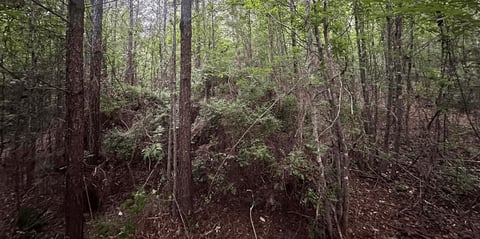
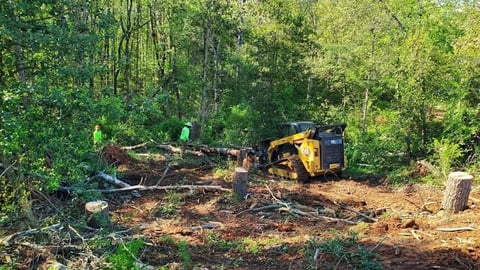
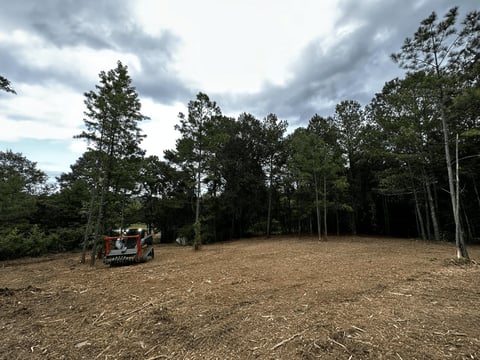
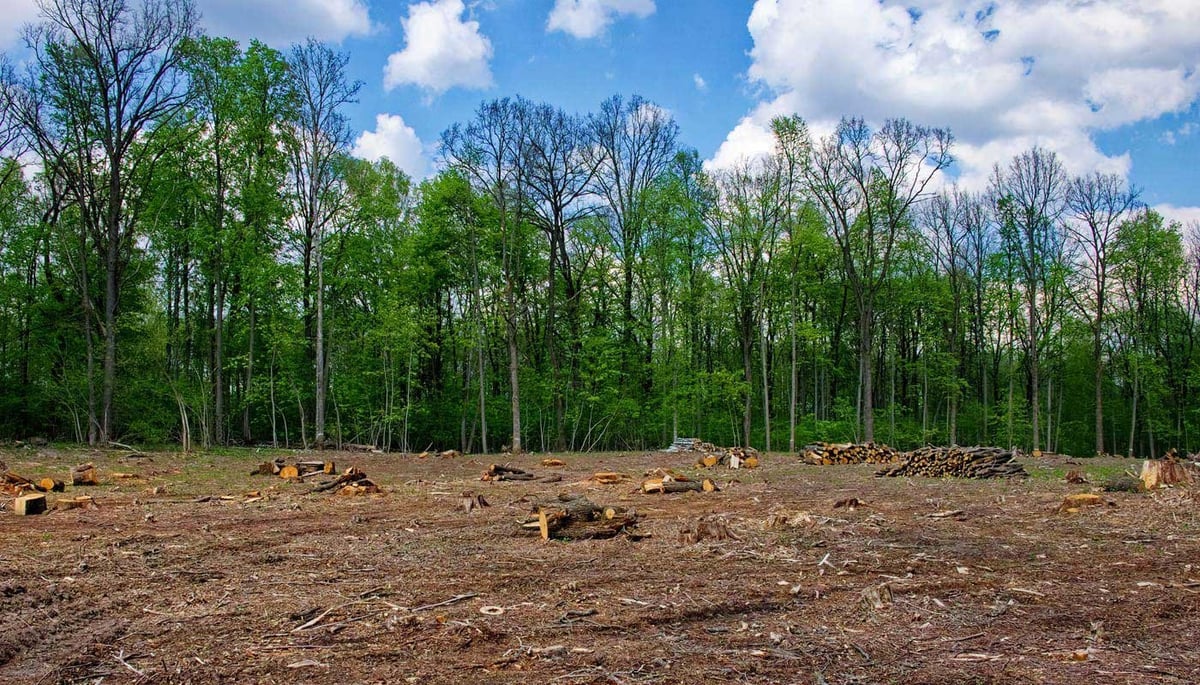
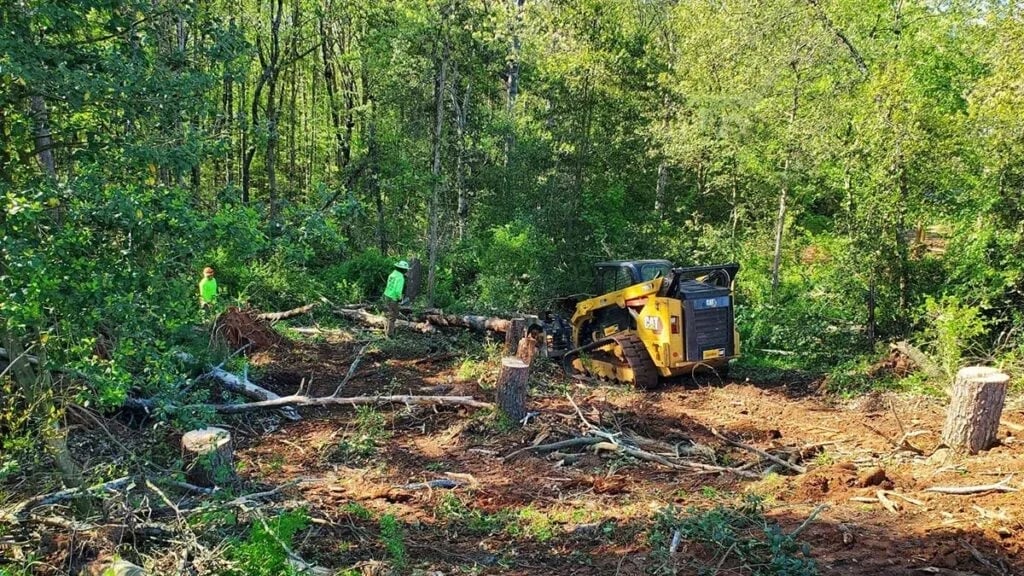
The first physical step in land clearing for construction is removing trees, stumps, brush, and other vegetation from the building area and any access routes. This includes the house footprint, any outbuildings, septic fields, and a buffer zone for construction equipment. Forestry mulching is the preferred method—it processes vegetation in place, leaving nutrient-rich mulch that can be left in non-building areas.
Tree stumps must be fully removed—not just pushed below grade—to prevent future settling and pest issues. This requires specialized equipment like stump grinders or the root grinding capability of forestry mulchers. Leaving stumps creates soft spots in the soil that can cause foundation problems. In the Fraser Valley, where old growth and second-growth timber is common, thorough stump removal is especially important.
If there's any existing structures, foundations, concrete, or other debris on the site, these must be demolished and removed. Old foundations can extend below grade and interfere with new construction, and buried debris can create drainage problems or voids that lead to settling. This step may also include removing old utility lines, fences, or other improvements.
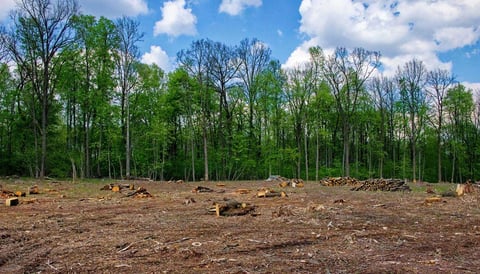
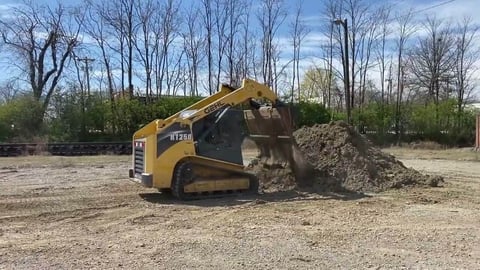
Once the site is cleared, rough grading shapes the land to the approximate final contours. This involves moving soil to create proper drainage away from the building footprint, leveling areas for structures, and creating slopes for driveways and parking areas. The goal is to establish the basic topography that will be refined in later steps. Professional site leveling ensures water drains properly and prevents future foundation issues.
Before the foundation is poured, the subgrade must be properly prepared. This involves removing any remaining soft or organic material, addressing any contaminated soil, and ensuring the ground is compacted to specifications. In BC's Fraser Valley, where soil conditions vary widely (from sandy loam to heavy clay to rocky substrate), proper subgrade preparation is critical. Engineers may require soil testing to determine bearing capacity and appropriate foundation design.
Before final grading, trenches are excavated for underground utilities: water, sewer, electrical, gas, and telecommunications. In rural Fraser Valley properties, this may include well lines, septic systems, and drain fields. Proper utility installation prevents damage during construction and ensures code compliance. Coordinate with utility companies early—some installations require permits and inspections.
The final step before construction begins is precise grading and compaction of the entire building envelope. This creates the exact contours specified in your site plan, establishes positive drainage away from foundations, and provides a stable, compacted surface for building. Compaction testing may be required to verify that fill material meets engineering specifications. In areas with expansive clay soils common in parts of the Fraser Valley, proper compaction is especially critical.
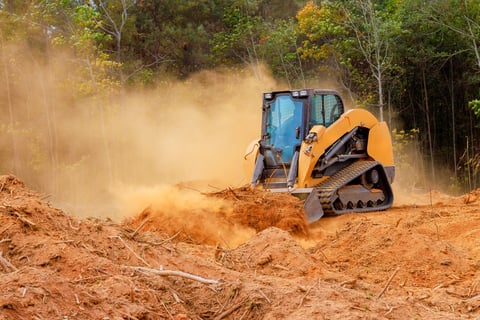
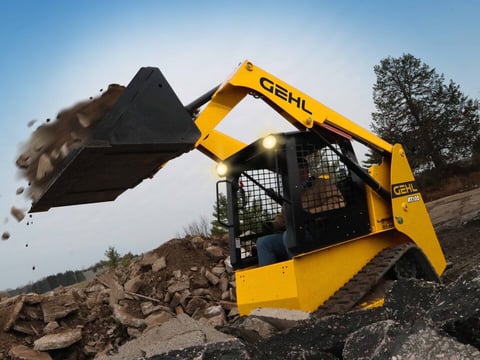
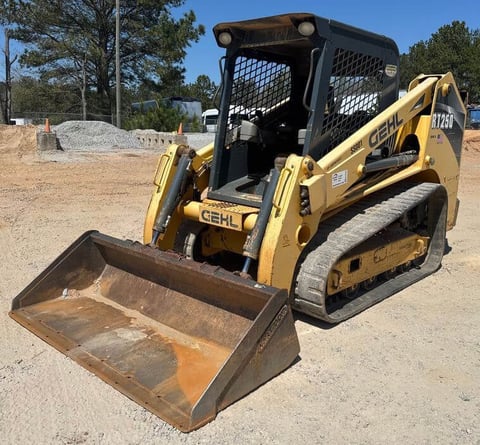
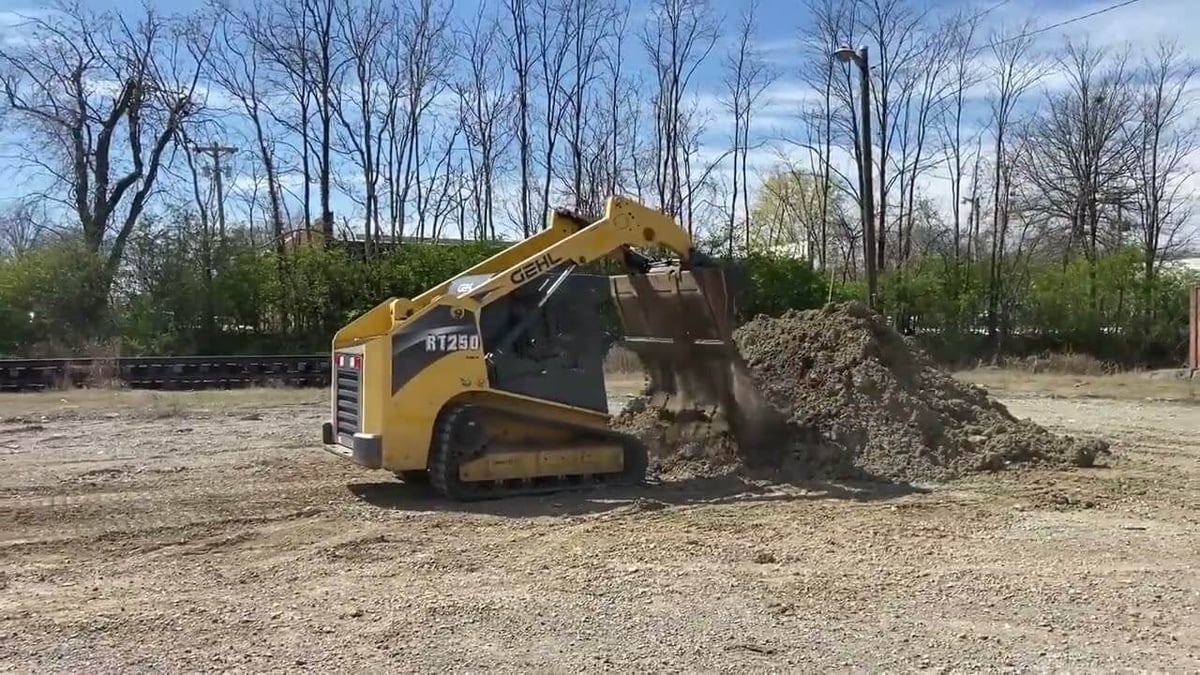
Professional equipment like bulldozers and skid steers are essential for efficient site preparation
Site preparation costs in British Columbia vary widely based on several factors: property size, terrain, existing vegetation, soil conditions, and the complexity of the project. Understanding these variables helps you budget accurately and avoid surprises.
Get a free site assessment for accurate pricing.
Always include a 10-20% contingency in your site preparation budget. Unexpected issues—like buried debris, soft spots requiring additional fill, or hidden water features—are common and better to plan for than scramble to cover.
Building in British Columbia requires navigating various regulations at the provincial and municipal levels. Understanding these requirements before you start helps avoid costly delays and compliance issues.
In the Fraser Valley, most municipalities (Chilliwack, Abbotsford, Mission, etc.) require building permits that include site plans showing grading, drainage, and setbacks. Your site preparation work must comply with the approved permit. Contact your local building department early to understand requirements.
If your property is near streams, wetlands, or marine areas, BC's Riparian Areas Protection Act may apply. A qualified professional must assess any development within buffer zones. Professional land clearing services can help identify these considerations during the planning phase.
Many Fraser Valley properties fall within ALR, which has specific regulations governing subdivision and non-agricultural use. If you're building on ALR land, you'll need to understand the ALC (Agricultural Land Commission) requirements and any conditions that apply to site preparation activities.
Modern building codes require proper stormwater management. Your site preparation must include adequate drainage design, which may involve swales, culverts, retention areas, or connection to municipal storm systems. In areas with high water tables (common in parts of the Fraser Valley), this is especially important.
Timeline varies based on property size and complexity. A typical residential site (0.25-0.5 acres) can be cleared and graded in 3-7 days using modern equipment. Larger properties or those with dense vegetation may take 2-3 weeks. Weather and soil conditions can also affect timeline—BC's rainy season may pause work temporarily.
No, you don't need to be present, but we recommend being available for any questions that arise. We'll coordinate access, discuss any unexpected issues we encounter, and walk through the completed work with you at the end. Clear communication throughout the project ensures results that meet your expectations.
Clearing removes vegetation, stumps, and debris from the site. Grading reshapes the land's surface to proper contours and elevation. Clearing is typically done first, then grading shapes the site for construction. Both are essential for a properly prepared building site.
While small brush clearing might be DIY-friendly, proper site preparation for construction requires specialized equipment and expertise. Improper clearing can damage soil structure, create drainage problems, or leave stumps that cause foundation issues. Professional land clearing pays for itself through proper results, time savings, and avoiding costly mistakes.
Ideally, complete site preparation 4-6 weeks before your builder needs the site. This provides buffer for unexpected issues and allows the soil to settle if any fill was placed. In BC's Fraser Valley, where weather can be unpredictable, building in extra time prevents construction delays.
With forestry mulching, vegetation is ground into mulch that stays on-site. This eliminates hauling costs and benefits your soil. In non-building areas, the mulch provides erosion control and weed suppression. If you need the debris removed, we can arrange hauling for an additional fee.
Get expert site preparation for your Fraser Valley project. Free assessments, transparent pricing, and professional results.