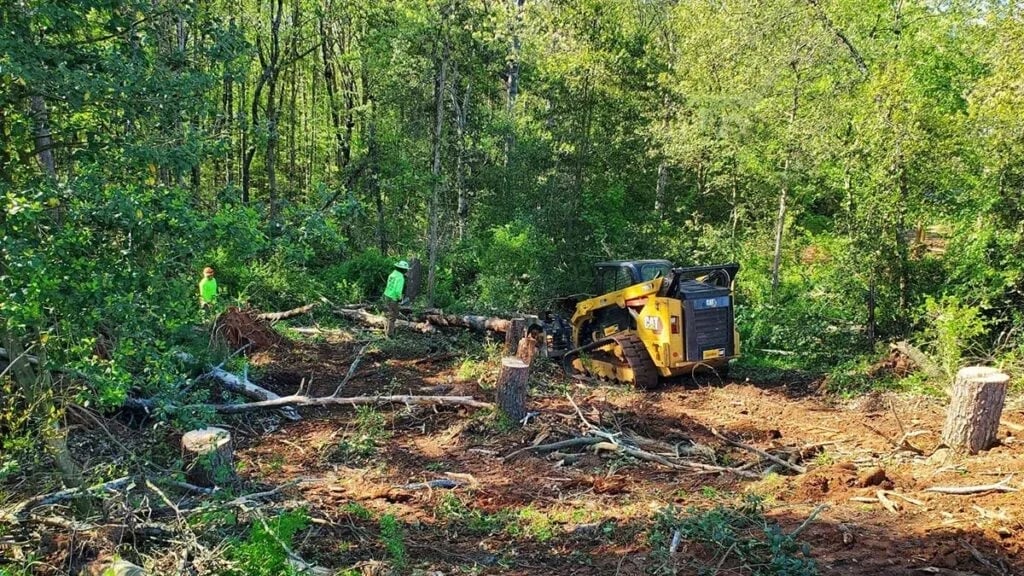
Yellow bulldozer clearing forest with workers and cut logs surrounded by dense green trees
Land Clearing Guide

Land Clearing 101: A Complete Guide for Fraser Valley Property Owners

Everything you need to know about clearing land in British Columbia—from costs and methods to permits and best practices.

By The Goat Land Clearing May 2, 2026 8 min read

What Is Land Clearing?

Land clearing is the process of removing trees, stumps, rocks, vegetation, and other obstacles from a property to make it usable for construction, agriculture, landscaping, or other purposes. In the Fraser Valley region, this service is particularly popular due to the area's dense forests and aggressive invasive plants like Himalayan blackberry.

Unlike simple mowing or brush cutting, professional land clearing involves heavy equipment and techniques that can handle everything from small residential yards to large commercial development sites. At The Goat Land Clearing, we specialize in forestry mulching—an eco-friendly method that grinds vegetation into mulch on contact, eliminating the need for burning or hauling.

Whether you need to clear a residential backyard or prepare a commercial construction site, understanding your options will help you make the best decision for your property.

Professional land clearing services have become essential for property owners throughout British Columbia. As the Fraser Valley continues to grow and develop, more landowners are discovering the need to transform overgrown or wooded parcels into usable space. Whether you're planning to build your dream home, create agricultural land, or simply reclaim your backyard, understanding what land clearing involves is the first step.

The process typically begins with a thorough site assessment, where professionals evaluate the vegetation density, soil conditions, terrain accessibility, and any environmental considerations. This evaluation helps determine the best approach and provides homeowners with an accurate estimate of costs and timeline.
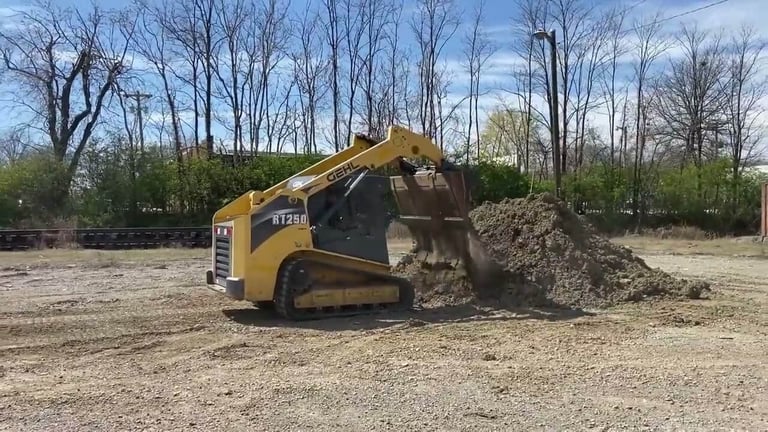
Yellow skid steer loader dumping gravel onto a pile at a construction site surrounded by bare trees

Professional land clearing equipment working on a Fraser Valley construction site

How Much Does Land Clearing Cost in BC?

One of the most common questions property owners ask is, "How much does land clearing cost?" The answer depends on several factors including acreage, vegetation density, accessibility, terrain difficulty, and whether stump removal is required.

Residential Land Clearing Costs

  • • Small projects (under 0.25 acres): $1,500 - $4,000
  • • Medium projects (0.25 - 0.5 acres): $4,000 - $8,000
  • • Large projects (0.5+ acres): $8,000 - $15,000+

Commercial Land Clearing Costs

  • • Acreage pricing typically ranges from $2,000 - $5,000 per acre
  • • Large developments may qualify for volume discounts
  • • Environmental compliance costs vary by project

What's included in the price? Professional land clearing typically includes site assessment, equipment operation, vegetation removal, and cleanup. Additional services like stump grinding or debris removal may increase the overall cost. We offer free on-site estimates throughout Chilliwack, Abbotsford, and the Fraser Valley.

Land Clearing Methods: Which Is Right for You?

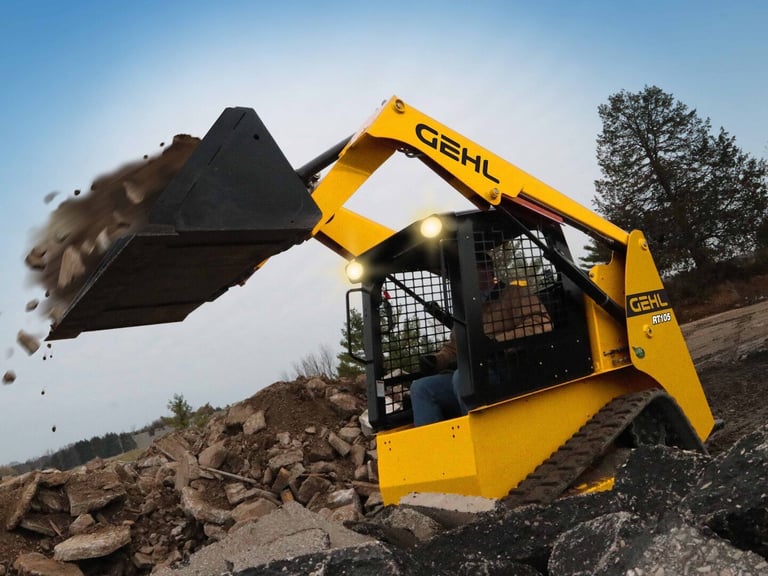
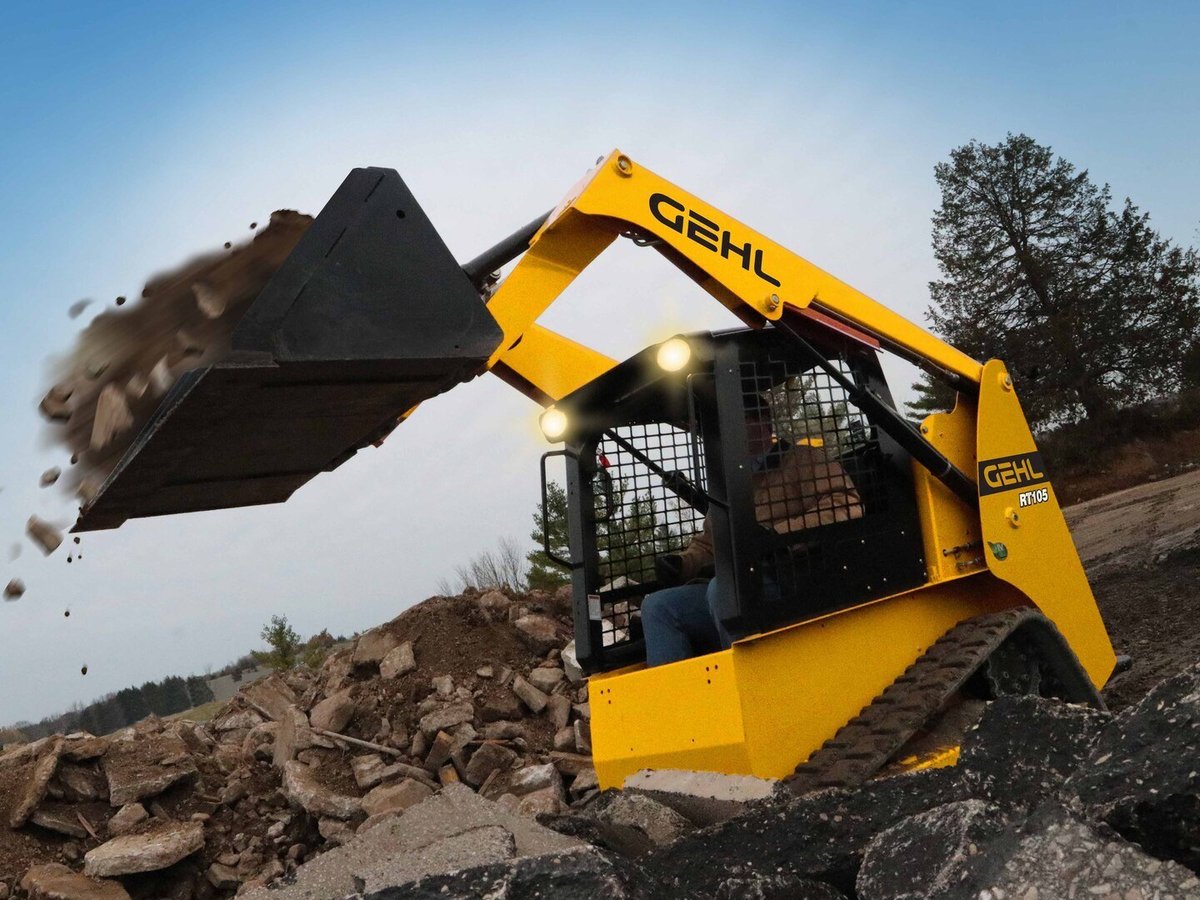
Yellow GEHL skid steer loader with raised bucket dumping dirt and rocks at a construction site

Traditional Clearing

Yellow bulldozer clearing forest with workers and cut logs surrounded by dense green trees

Forestry Mulching

Traditional Land Clearing

This method involves using bulldozers or excavators to push vegetation into piles, which are then burned or hauled away. While effective, traditional clearing requires additional steps, equipment, and permits. Burning is heavily restricted in BC, especially within municipal boundaries and during fire season.

Forestry Mulching (Recommended)

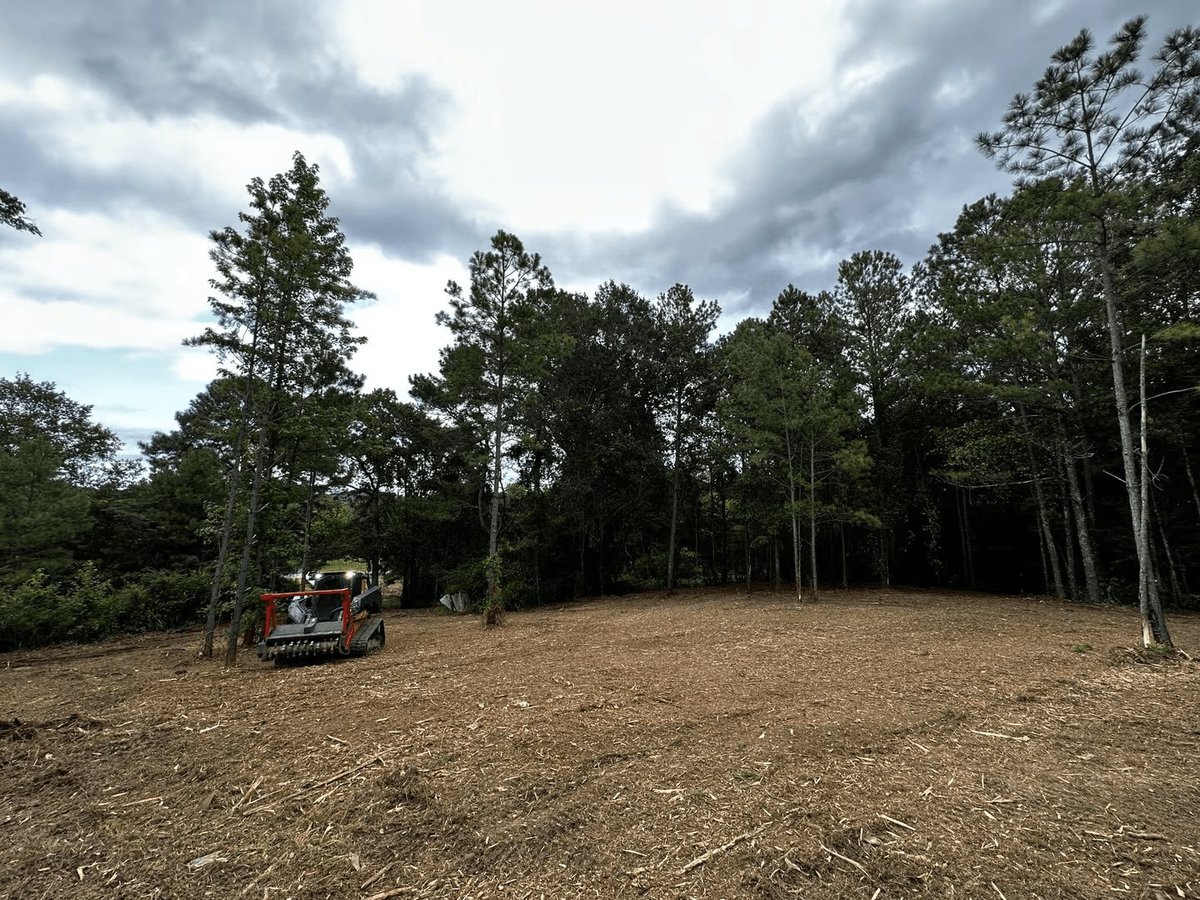
Forestry mulching uses a rotating drum with carbide teeth to grind vegetation into mulch on contact. This single-pass process eliminates debris handling entirely. The mulch remains on-site, enriching the soil naturally and preventing erosion. Benefits include:

  • ✓ No burning permits required
  • ✓ No hauling or landfill fees
  • ✓ Faster completion times
  • ✓ Soil enrichment and erosion control
  • ✓ Works in sensitive or remote areas

Do You Need a Permit to Clear Land in BC?

This is one of the most searched questions about land clearing in British Columbia. The short answer: it depends on your municipality, the size of the area, and what you're clearing.

When Permits May Be Required:

  • Tree removal near waterways, wetlands, or riparian areas
  • Large-scale clearing in agricultural zones
  • • Projects within environmentally sensitive areas
  • • Work requiring burning (which requires a separate permit)

In the Fraser Valley region (including Chilliwack, Abbotsford, Mission, and surrounding areas), most residential land clearing projects don't require special permits for the clearing itself. However, tree removal may be regulated under local bylaws.

Pro Tip: We can help you understand local requirements during your free assessment. Contact us at 604-783-0213 to discuss your project.

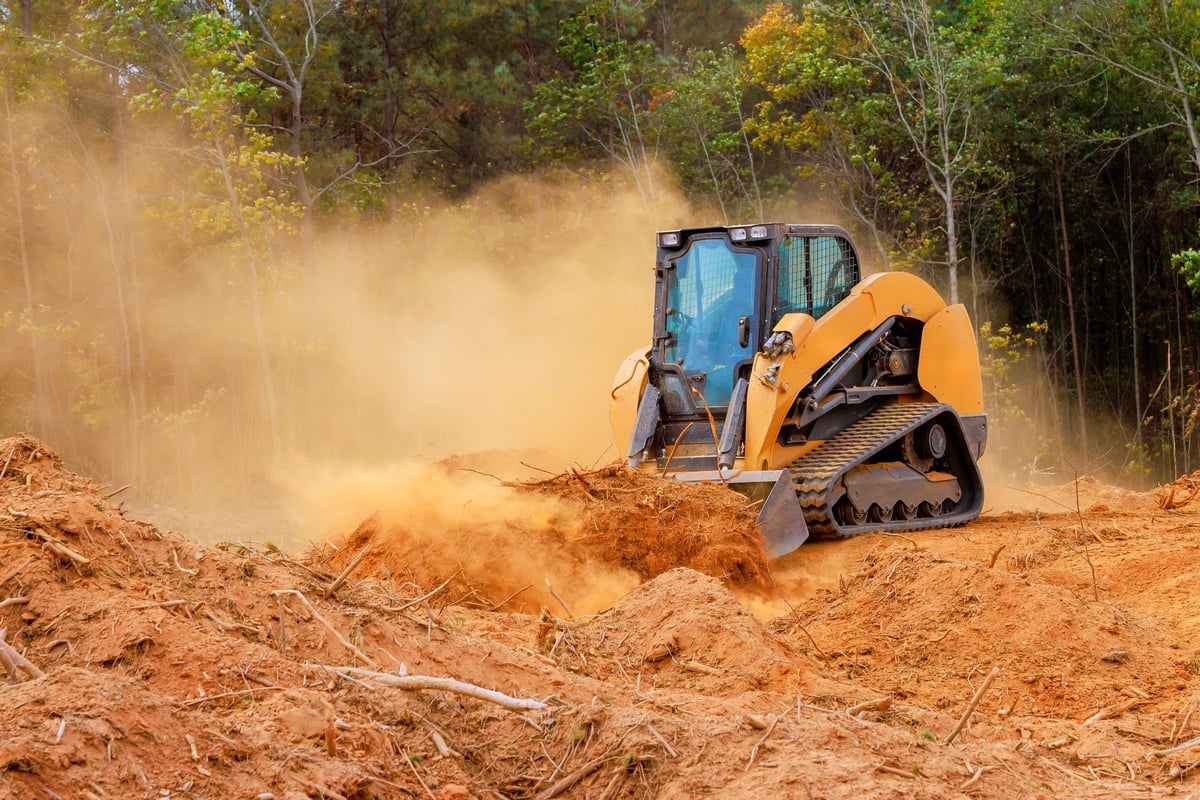
Orange and black tracked skid steer loader operating in a dusty clearing, moving earth and debris with trees in the background

Why Hire a Professional Land Clearing Service?

While it might be tempting to handle land clearing yourself or hire the cheapest contractor, professional land clearing services offer significant advantages that save you time, money, and potential headaches down the road.

Safety First

Operating heavy machinery like forestry mulchers, bulldozers, and skid steers requires specialized training. Professionals are insured, experienced, and follow strict safety protocols to protect both workers and your property.

Speed and Efficiency

What might take you weeks of rental equipment and hard labor, professional crews can complete in days. Our 74+ horsepower equipment handles everything from small residential lots to large commercial sites efficiently.

Proper Disposal and Environmental Compliance

Professionals understand local regulations and environmental considerations. We ensure debris is handled properly—whether through forestry mulching that leaves nutrient-rich mulch on-site or responsible disposal methods.

Right Equipment for the Job

Professional land clearing companies invest in specialized equipment that would cost thousands to rent or purchase. From tracked mulchers to excavators with brush heads, we have the right tools for every terrain and project type.

Quality Results

Professional clearing leaves your property in better condition than starting point. We properly grade and prepare the land for its intended use, whether that's residential construction, landscaping, or agricultural use.

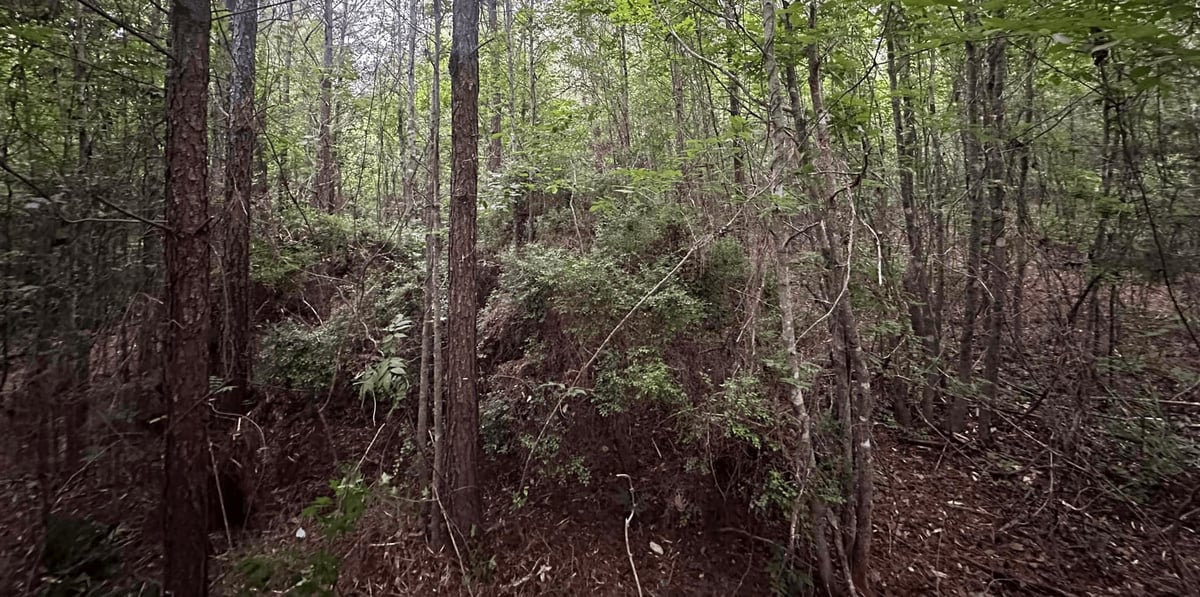
Dense forest with tall trees, brown leaf litter, and green undergrowth on forest floor

Dense vegetation like this Fraser Valley forest requires professional clearing

Dealing with Himalayan Blackberry in BC

Himalayan blackberry (Rubus armeniacus) is one of the most problematic invasive plants in British Columbia and the Fraser Valley. Originally introduced as a crop in the 1800s, it has become a widespread pest that chokes out native vegetation and takes over properties with alarming speed.

Why is Himalayan blackberry so difficult to remove? This invasive species has an extensive root system that can extend up to 10 feet deep and spread horizontally over 20 feet from the parent plant. Even small root fragments left in the soil can regenerate into new plants, making DIY removal efforts frustrating and often ineffective.

Why Forestry Mulching Works Best for Blackberry Removal:

  • Root destruction: The high-speed drum grinder pulverizes roots below the soil surface, depleting the plant's energy reserves
  • No chemical herbicides: Avoid harmful pesticides that can affect nearby plants, water sources, and wildlife
  • Soil improvement: The resulting mulch adds organic matter back to your soil
  • No regrowth from fragments: Unlike hand-pulling or machine clearing that leaves root pieces behind
  • Works on slopes: Effective on hillsides and difficult terrain where other methods fail

Professional blackberry removal typically requires follow-up treatments to address any regrowth from seeds deposited by birds or remaining root fragments. This is completely normal and part of any effective blackberry control program. We offer maintenance plans to keep your property blackberry-free long-term.

Signs You Have a Himalayan Blackberry Problem:

Red tractor working on cleared forest land with tall pine trees in background and overcast sky

Frequently Asked Questions About Land Clearing

How long does land clearing take?

Project duration depends on scope. A small residential lot (0.25 acres) with moderate vegetation can often be completed in one to two days. Larger properties or those with dense overgrowth may take a week or longer. Weather conditions can also affect timeline, as heavy rain may temporarily halt operations for safety reasons. One of the advantages of forestry mulching is that it's significantly faster than traditional clearing methods—no time wasted on hauling or burning.

Will land clearing damage my existing trees?

We take precautions to protect desired vegetation. During your assessment, we identify which trees and plants you want to preserve, marking them if necessary. Our equipment operators are skilled at working around existing features. We can also perform selective clearing—targeting only unwanted vegetation while preserving specimen trees and established landscaping. If you have valuable mature trees on your property, let us know during the consultation so we can plan accordingly.

Can I burn the brush and debris instead of paying for clearing?

In British Columbia, open burning is heavily restricted or prohibited in most areas. The Fraser Valley Regional District has strict regulations against open burning due to air quality concerns and fire danger. Burning without proper permits can result in significant fines. Professional land clearing eliminates these concerns—no permits needed, no fire risk, and no air quality violations.

What happens to all the debris?

One of the biggest advantages of forestry mulching is that debris handling is eliminated entirely. Our equipment grinds trees, brush, and vegetation into fine mulch on contact—no piling, no burning, no hauling. This mulch is left on-site where it decomposes naturally, returning nutrients to the soil, suppressing weed regrowth, and preventing erosion. You don't need to arrange for debris removal or pay landfill fees.

Will clearing land affect my property's drainage?

Professional land clearing can actually improve drainage rather than harm it. The mulch layer left by forestry mulching acts like a sponge, absorbing rainfall and allowing it to percolate slowly into the soil rather than running off. This reduces erosion and improves groundwater recharge. Properties with existing drainage issues should discuss this during assessment, as there may be underlying soil conditions that need addressing.

How do I prepare my property for land clearing?

Preparation is straightforward. First, mark or identify any trees, plants, or structures you want to preserve. Remove any personal items, furniture, or debris from the work area. If you have a dog, make sure they're secured during work hours. Ensure we have clear access to your property—our equipment requires space to maneuver. Beyond these basics, we handle everything else. No need to do any pre-cleering yourself; in fact, it's often better to let us handle it.

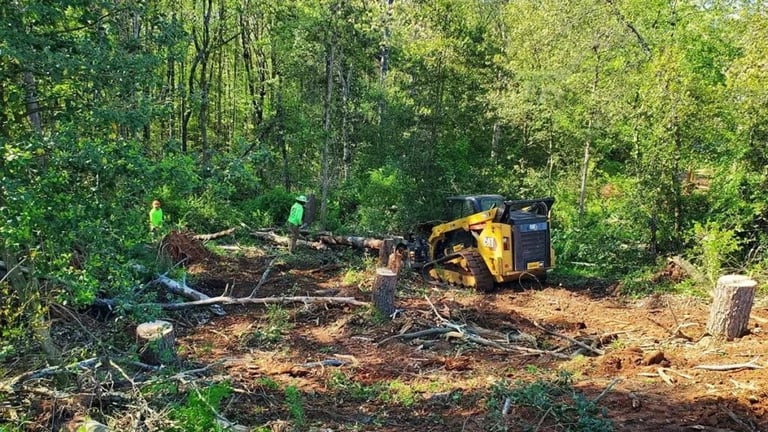
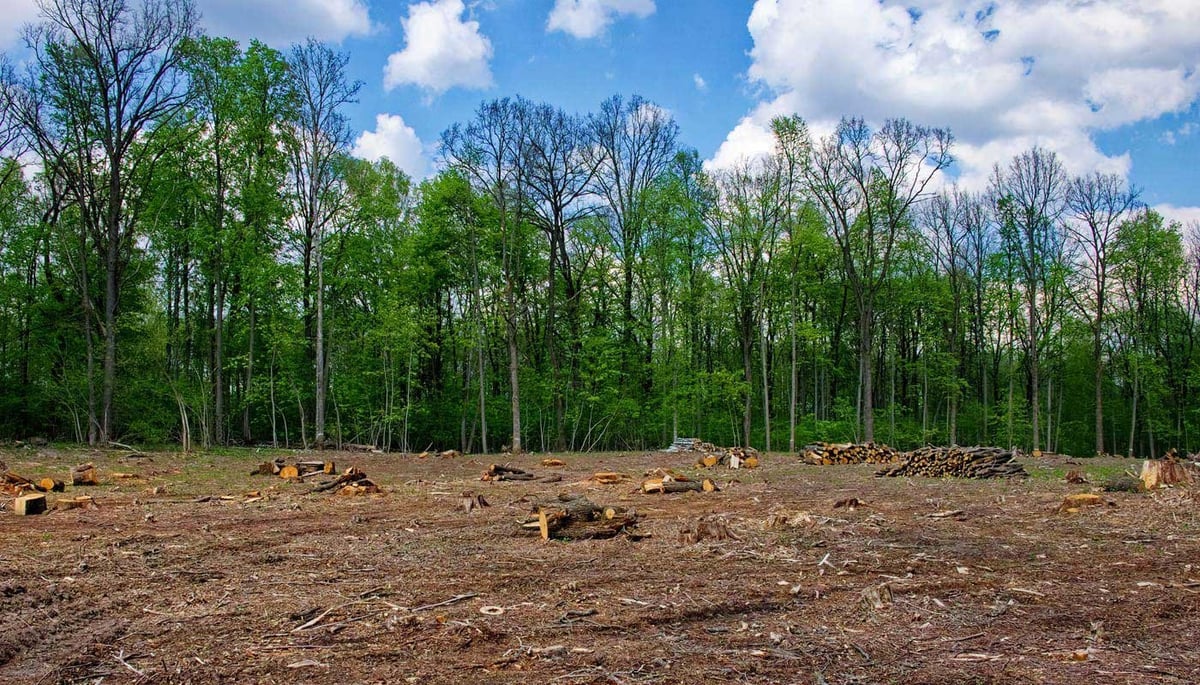
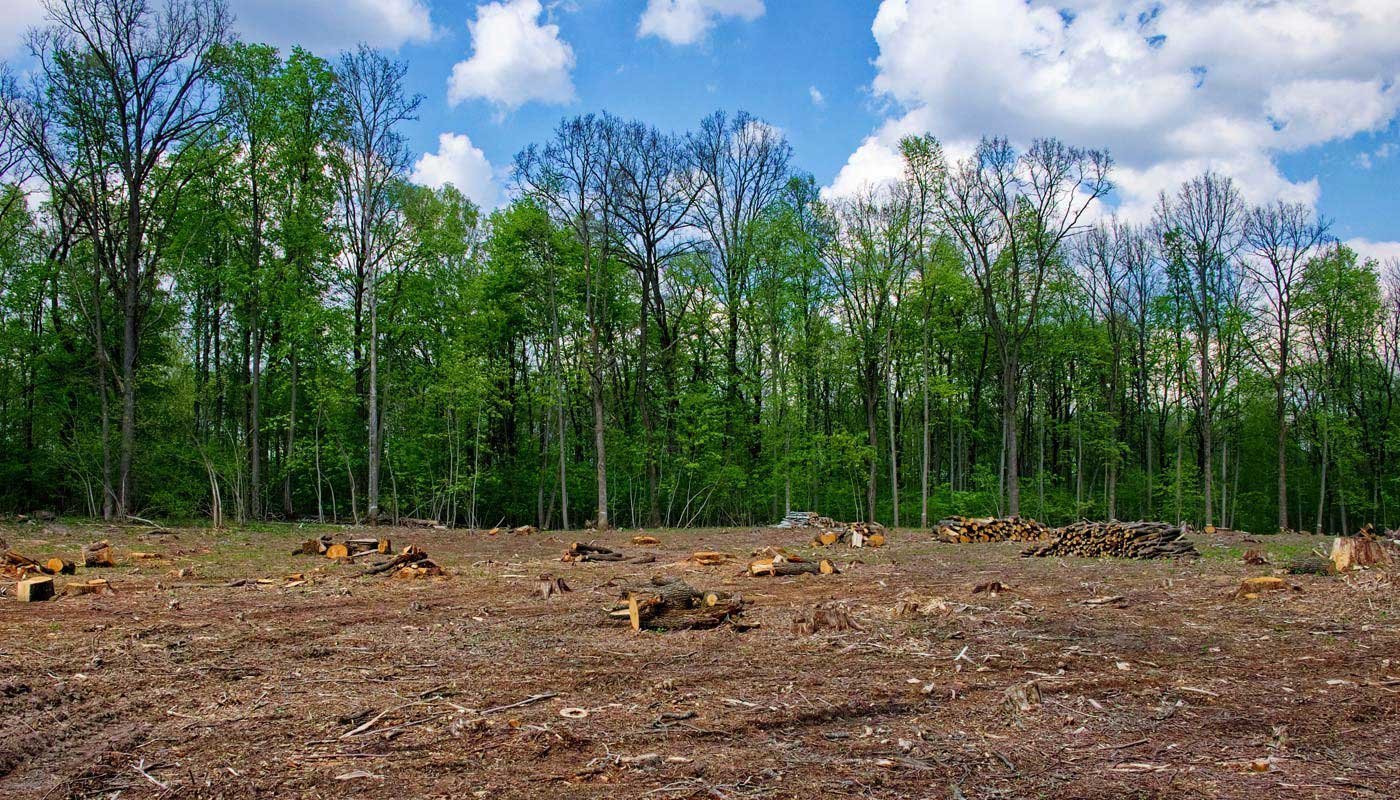
Cleared forest area with cut logs and tree stumps, green trees in background and blue sky with clouds

A cleared property ready for construction or landscaping in the Fraser Valley

When Is the Best Time to Clear Land in BC?

Land clearing can be performed year-round in British Columbia, but certain seasons offer advantages depending on your project type and goals. Understanding the seasonal considerations helps you plan your land clearing project for optimal results.

Spring (March - May)

Good for: General clearing, blackberry removal before growing season. Watch for: Wet ground conditions may limit access on some properties. Spring growth means vegetation is visible and easier to assess.

Summer (June - August)

Good for: Projects needing dry ground conditions. Perfect for forestry mulching as plants are actively growing and the mulch has all summer to decompose. Consider: Fire season restrictions may affect some burning permits (not an issue with mulching!).

Fall (September - November)

Good for: Preparing land for spring construction. Ground is often dry after summer. Vegetation is still visible for assessment. Great time for blackberry control before winter dormancy.

Winter (December - February)

Good for: Properties with frozen ground that can support heavy equipment. Reduced impact on nesting birds and wildlife. Less demand = potentially faster scheduling. Consider: Shorter daylight hours may extend project timeline.

Planning Tip:

For construction projects, aim to have land clearing completed 2-4 weeks before your builder needs to begin site preparation. This allows time for any final grading adjustments and gives the mulch time to settle before heavy equipment arrives.

Yellow Gehl compact track loader with bucket raised, dumping dirt and rocks at a construction site

How to Choose the Right Land Clearing Contractor

Not all land clearing companies are created equal. Choosing the right contractor ensures your project is completed safely, efficiently, and to your satisfaction. Here's what to look for when hiring a land clearing service in the Fraser Valley:

1

Check for Proper Licensing and Insurance

A reputable company should carry liability insurance and workers' compensation coverage. This protects you from liability if anything goes wrong on your property.

2

Ask About Equipment

Professional-grade equipment makes a significant difference in quality and efficiency. Ask what equipment they use and why. Forestry mulching requires specialized rotary drum equipment—not just a standard brush hog or mower.

3

Look at Previous Work

Ask for references or look at a company's project gallery. Our gallery showcases various projects completed throughout Chilliwack and the Fraser Valley.

4

Get Multiple Quotes

Obtain at least three quotes for comparison. Be wary of bids that seem too low—they may cut corners or add hidden fees later. A written detailed quote should include scope of work, timeline, and what's included.

5

Read Reviews

Check online reviews on Google, Facebook, or other platforms. Look for patterns in feedback—both positive and negative. See what our customers say about their experience.

Questions to Ask Before Hiring:

  • • How long have you been in business?
  • • Do you provide free on-site estimates?
  • • What's included in your quote?
  • • What equipment will be used?
  • • Do you handle permit requirements?
  • • What's your timeline for completion?
  • • Do you have references I can contact?

What Can You Use Cleared Land For?

Once your land is cleared, the possibilities are endless. Here are the most common reasons Fraser Valley property owners invest in land clearing:

Construction & Building

Prepare your lot for a new home, garage, shop, or addition. Professional land clearing creates a stable, build-ready foundation.

Yard & Garden Space

Transform an overgrown backyard into outdoor living space. Create room for gardens, patios, pools, or simply a lawn you can actually use.

Farming & Agriculture

Clear land for pastures, crop fields, or farm infrastructure. We work with farmers throughout the Fraser Valley to prepare agricultural properties.

Fire Risk Reduction

Dense vegetation creates fire hazards, especially near homes. Vegetation management and clearing reduces wildfire risk and improves safety.

Cleared forest area with cut logs and tree stumps, green trees in background and blue sky with clouds

Ready to Clear Your Land?

Get a free on-site assessment and no-obligation quote. We serve Chilliwack, Abbotsford, Mission, and all surrounding Fraser Valley communities.