Discover the environmental and cost benefits of forestry mulching for land management in the Fraser Valley and why it's become the preferred choice for BC property owners.
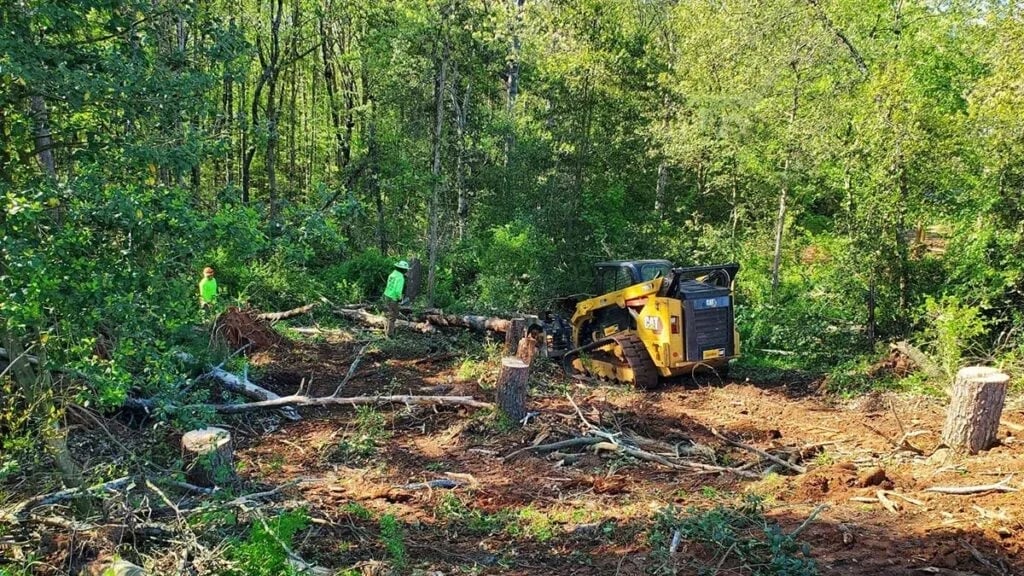
Modern forestry mulching equipment can handle everything from small residential lots to large commercial sites
When it comes to clearing land in British Columbia, property owners have historically had limited options—push it into piles and burn it, or push it into piles and haul it away. Both traditional methods come with significant drawbacks: air quality concerns, fire risk, expensive hauling costs, and long timelines. Forestry mulching changes everything.
At The Goat Land Clearing, we've invested in specialized forestry mulching equipment because we believe it's simply the best method available for most land clearing projects. In this guide, we'll walk you through why forestry mulching outperforms traditional clearing in nearly every category that matters to property owners in the Fraser Valley.
Whether you're a homeowner looking to reclaim your backyard or a developer preparing a commercial site, understanding your options will help you make the right choice for your project—and your budget.
Also known as "cut and push" or "brush hogging"
Grinds vegetation into nutrient-rich mulch
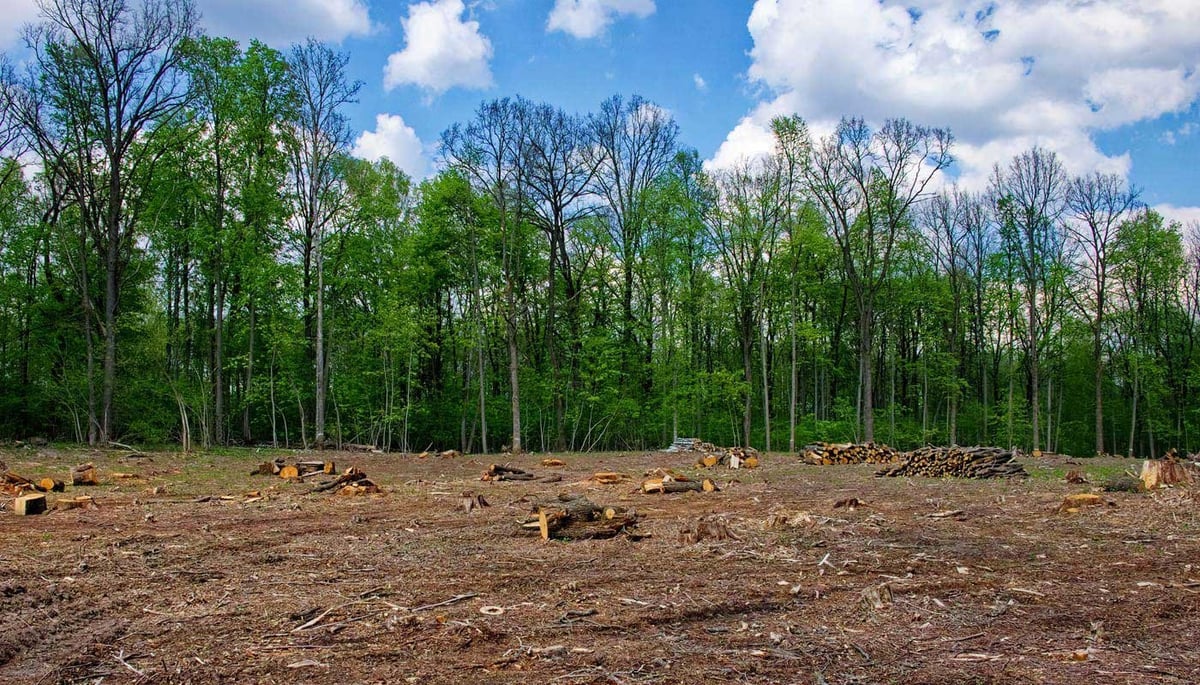
The result of forestry mulching: clean, build-ready land covered in protective mulch
Forestry mulching is a single-pass operation that processes vegetation on contact. What might take traditional methods a week of pushing, burning, and hauling can often be completed in 1-2 days with forestry mulching. Less equipment time means lower costs and faster results.
While the per-hour equipment rate may be similar, forestry mulching eliminates several major expense categories: no burning permits, no landfill fees, no hauling equipment rental, no dump truck runs. For residential land clearing projects, this can save thousands compared to traditional methods.
The mulch left behind by forestry mulching isn't waste—it's a valuable soil amendment. As the organic material decomposes, it returns nutrients to the soil, improves moisture retention, and suppresses weed regrowth naturally. This reduces the need for imported topsoil and creates better conditions for whatever you're building or planting.
In British Columbia, open burning is heavily restricted or prohibited in most areas, particularly during fire season. Forestry mulching eliminates this concern entirely—no burning permits needed, no air quality violations, no fire risk. This makes it the only practical option in many municipalities within the Fraser Valley region.
Forestry mulching equipment can work on slopes, in tight spaces, and in areas where traditional equipment can't access. This makes it ideal for Himalayan blackberry removal on hillsides, clearing around existing structures, or preparing land in areas with limited access.
No. The mulch left by forestry mulching is different from piled debris. It's finely ground,干燥迅速, and doesn't create the harborage conditions that attract rodents or other pests. In fact, the quick decomposition actually improves soil conditions and reduces weed growth that would otherwise provide habitat for pests.
Yes. Our 74+ horsepower forestry mulching equipment can handle trees up to 8-10 inches in diameter, and larger trees can be addressed with additional equipment. While very large trees may require some pre-cutting, forestry mulching can still process the resulting material efficiently. Stumps are also ground below the soil surface, eliminating the need for separate stump removal.
Forestry mulching is one of the most eco-friendly land clearing methods available. There's no burning (which releases carbon and harmful pollutants), no hauling (which means fewer truck emissions and less road wear), and the organic matter stays on-site to enrich the soil naturally. It also protects nearby water sources by preventing erosion and eliminating the need for chemical herbicides.
Land cleared by forestry mulching can typically be used for construction relatively quickly. If you need site leveling or grading, that can be done after the mulching is complete. We recommend letting the mulch settle for 2-4 weeks before heavy equipment arrives to allow for any final adjustments and to give the ground time to stabilize.
Get a free assessment and see why forestry mulching is the smart choice for Fraser Valley property owners.