Navigate the requirements for land clearing projects in British Columbia, including environmental considerations, municipal permits, and compliance requirements.
Professional land clearing in BC requires navigating various regulations and compliance requirements
Land clearing in British Columbia isn't as simple as hiring equipment and clearing whatever you want. The province has established various regulations to protect environmental values, water quality, wildlife habitat, and agricultural land. Understanding these requirements before you start your project prevents costly mistakes, project delays, and potential fines.
At The Goat Land Clearing, we've helped hundreds of Fraser Valley property owners navigate the regulatory landscape. This comprehensive guide explains what permits and regulations apply to land clearing in BC, how to stay compliant, and what exemptions may apply to your project.
Whether you're clearing land for residential construction, agricultural use, or commercial development, knowing the rules is essential to a successful project.
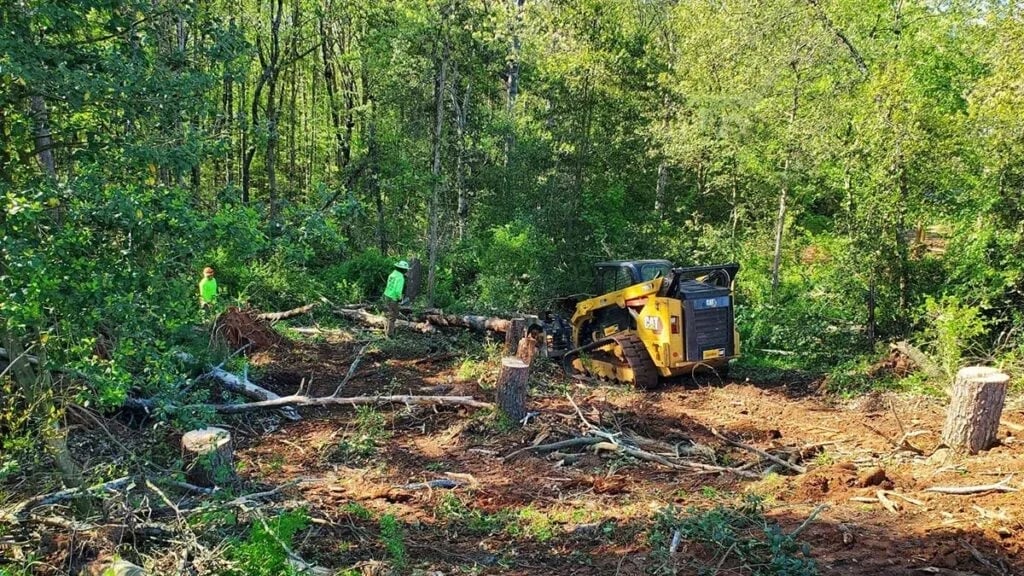
Each municipality in the Fraser Valley (Chilliwack, Abbotsford, Mission, Langley, etc.) has its own zoning bylaws and building permit requirements. A building permit typically requires a site plan showing how the land will be used, including setback distances from property lines, watercourses, and roads. Clearing outside your building envelope or in restricted areas may require additional permits or be prohibited outright.
Tip: Contact your local building department before any clearing begins. They can tell you exactly what's allowed on your specific property and what permits you'll need.
BC's Riparian Areas Protection Act protects streams, wetlands, and their surrounding buffer zones. If your property contains any watercourses—streams, creeks, ditches, ponds, or wetlands—a regulated riparian protection zone must be maintained. This zone typically ranges from 15 to 30 meters from the high-water mark, and any development within it requires a qualified professional's assessment and municipal approval.
Professional land clearing services can help identify watercourses on your property during the planning phase.
Many properties in the Fraser Valley fall within the Agricultural Land Reserve (ALR). ALR land is protected for agricultural use, and non-agricultural development is heavily restricted. If your property is in the ALR, any clearing or development must comply with ALC regulations, which may require applications and approval for activities that wouldn't need permits outside the ALR.
ALC regulations can be complex. If you're unsure whether your property is in the ALR, check with the ALC or your local municipality.
Many Fraser Valley municipalities have tree preservation bylaws that restrict or prohibit the removal of certain trees, particularly mature or specimen trees. These bylaws may apply to trees of a certain size (often measured by trunk diameter at chest height) regardless of whether they're on private property. Unauthorized tree removal can result in significant fines and requirements to replant.
If you have valuable trees you want to preserve or remove, check with your municipality about tree bylaws and any permits required.
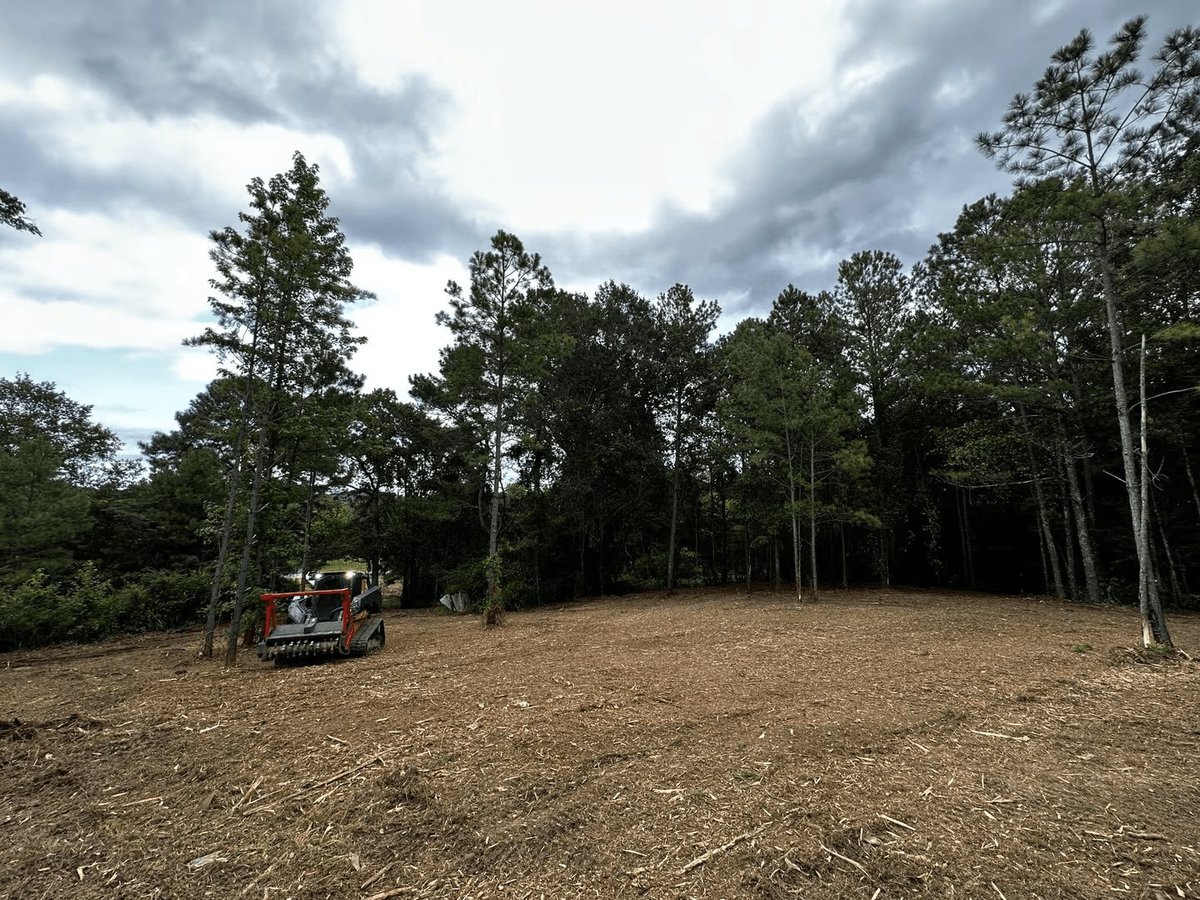
Open burning is heavily restricted or prohibited in most BC communities, particularly during fire season (typically April through September). The Fraser Valley Regional District has specific regulations governing open burning, and permits are required for any allowed burning—and those permits are often not issued during dry conditions. This is one reason forestry mulching has become so popular: it eliminates debris without burning.
The permit requirements for land clearing in BC depend on several factors: your municipality, the size of the area, the type of vegetation being cleared, proximity to watercourses, and whether the land is in a special zone (ALR, flood plain, etc.). Here's a general overview:
Note: These are general guidelines. Always verify with your local municipality, as regulations vary.
When in doubt, check with your municipality before starting any land clearing project. The cost of a permit inquiry is minimal compared to the cost of stopping work mid-project, correcting violations, or paying fines. Contact us for a free assessment that includes helping you understand permit requirements for your specific property.
Beyond regulatory permits, responsible land clearing considers environmental impacts that may not be strictly regulated but affect long-term land value, water quality, and ecosystem health.
Removing vegetation exposes soil to wind and water erosion. In the Fraser Valley's hilly terrain, this can lead to significant soil loss and sedimentation of nearby watercourses. Professional land clearing leaves mulch on-site that protects soil until vegetation regrows or landscaping is established.
Clearing near streams, ponds, or wetlands can increase runoff and sedimentation that degrades water quality and harms fish habitat. Maintaining appropriate buffer zones and minimizing soil disturbance near water protects both the environment and your legal liability.
While controlling invasive vegetation is beneficial, clearing native vegetation that provides wildlife habitat should be done thoughtfully. If your property has significant wildlife activity, consider which areas to clear versus preserve. Birds nesting in trees may also be protected during certain seasons.
The Fraser Valley's agricultural productivity depends on healthy soils. Over-clearing or improper clearing can damage soil structure and reduce productivity. Forestry mulching actually improves soil by returning organic matter, unlike traditional clearing that removes vegetation entirely.
Multiple agencies are involved: provincial ministries (Environment, Agriculture, Forests), the Agricultural Land Commission, regional districts, and individual municipalities. The specific regulations that apply depend on your location and property characteristics. Start with your municipal building department for the most relevant requirements.
It depends on your municipality and property specifics. In general, small-scale clearing for routine maintenance may not require permits, but any significant clearing—particularly on larger properties, near watercourses, or in special zones—likely requires municipal approval. Always verify before starting work.
Penalties vary by municipality and severity but can include substantial fines, orders to restore the land (at your expense), and delays to any construction plans. In serious cases involving environmental damage, provincial enforcement may apply. It's always better to obtain permits upfront than face consequences later.
The land clearing method (forestry mulching vs. traditional clearing) doesn't change permit requirements—the regulations apply to what you're clearing, not how you clear it. However, forestry mulching often makes permit applications easier because it doesn't involve burning or hauling debris, which have their own regulations.
Start with your municipal building department—they can identify zoning, permits, and restrictions. For ALR properties, contact the Agricultural Land Commission. For water-related regulations, a professional environmental consultant can assess your property. We can also help identify relevant requirements during our free site assessments.
We stay up-to-date on BC land clearing regulations and can help you understand what's required for your Fraser Valley project. Free assessments and transparent pricing.